
Investment casting offers exceptional precision and surface finish, but it can also be costly if your part design isn't optimized for the process. The good news is that small design changes can significantly reduce your total part cost without compromising performance.
Based on 15 years of experience producing precision castings for customers worldwide, we've compiled the top 7 design tips that will help you lower your investment casting costs.
Tip 1: Design for Uniform Wall Thickness
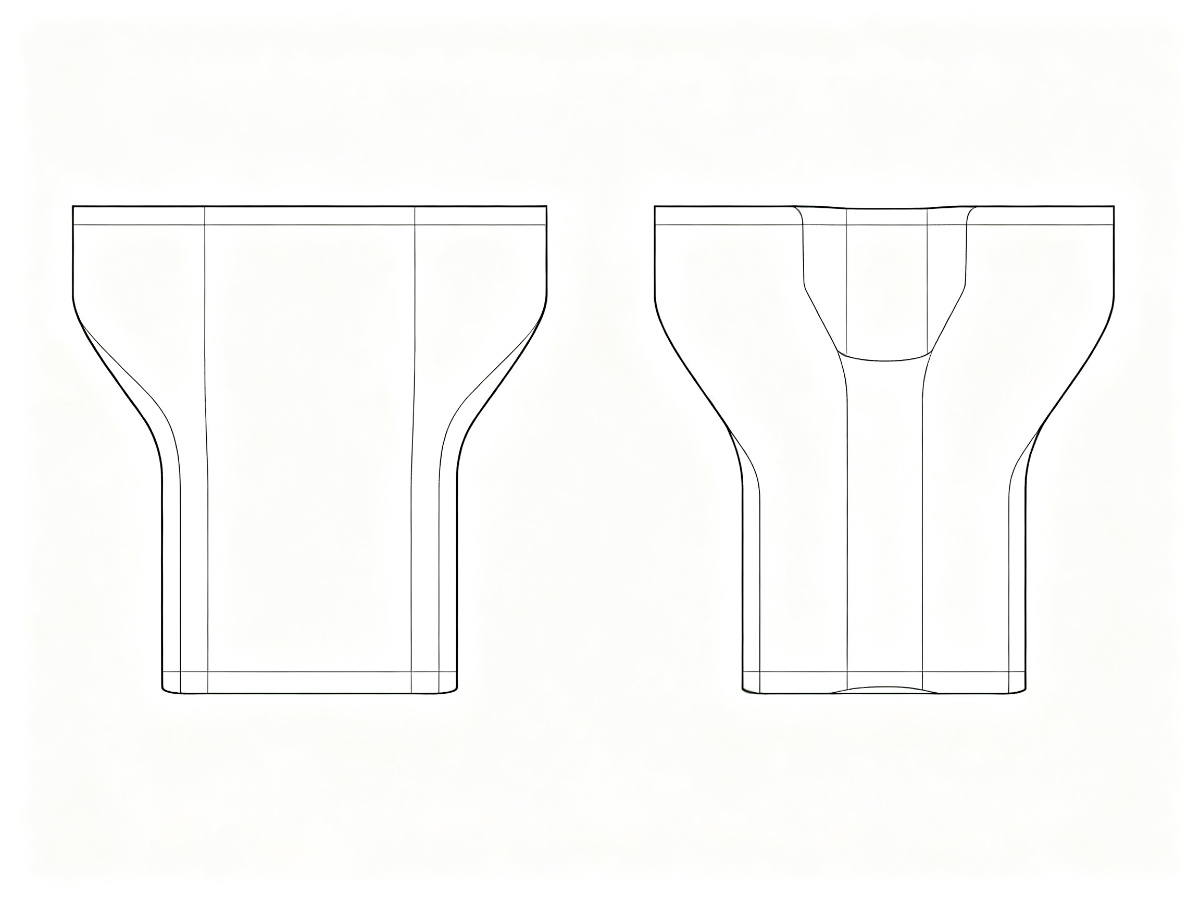
Uneven wall thickness is one of the most common causes of casting defects and increased machining costs. When walls vary in thickness, the metal cools at different rates, leading to shrinkage cavities, warping, and internal stresses.
What to do:
Keep wall thickness as uniform as possible. Use gradual transitions rather than sharp steps between thick and thin sections. Add fillets at corners to smooth the transition.
Cost impact:
- Reduces scrap rates from 10-15% to under 2%
- Eliminates stress relief operations
- Improves dimensional consistency
Tip 2: Optimize Draft Angles and Fillets
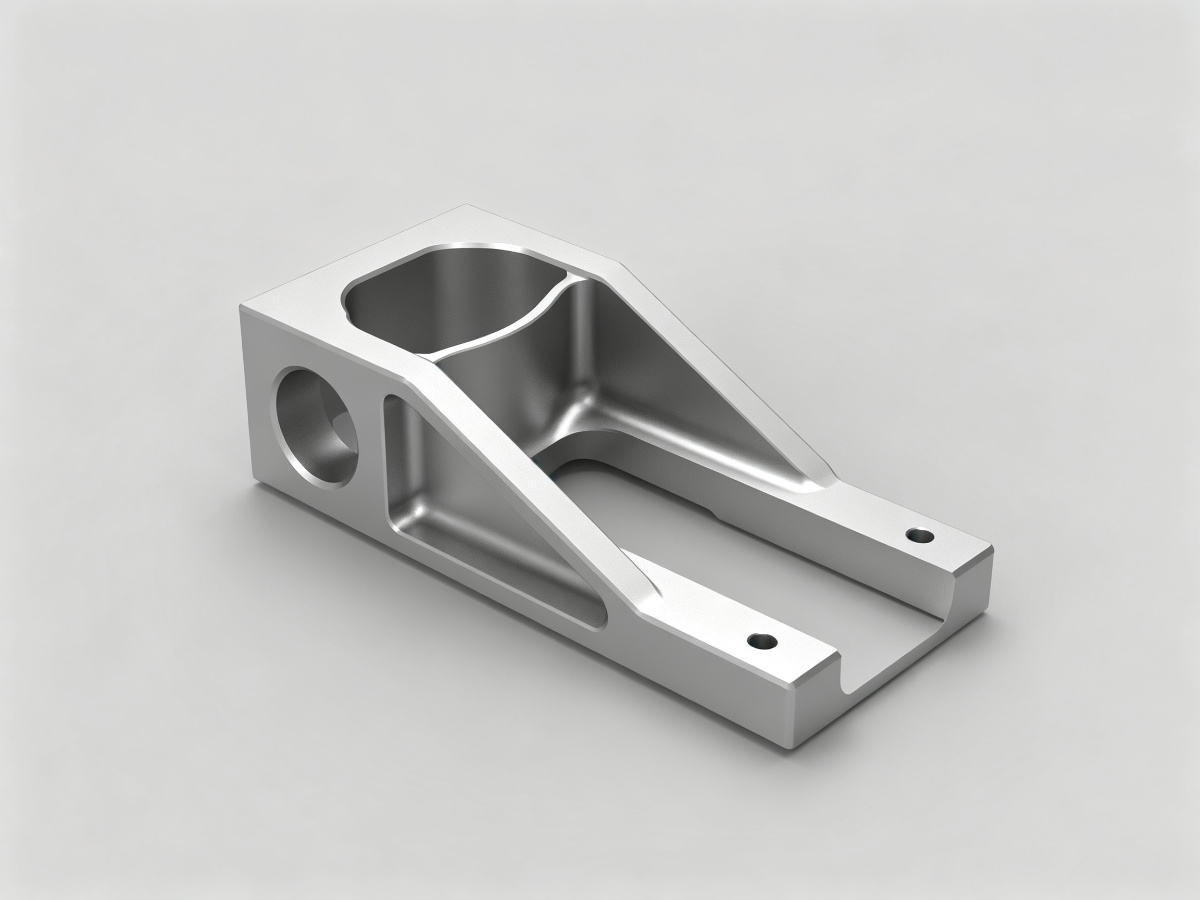
Sharp internal corners are difficult to produce in investment casting and require additional finishing. Generous fillets and proper draft angles make the mold release easier and reduce surface defects.
What to do:
Add minimum 1.5mm (1/16") fillets at all internal corners. Include 0.5-1.0° draft angles on vertical surfaces. Avoid sharp external corners that can chafe during shell building.
Cost impact:
- Reduces shell cracking during dewaxing
- Minimizes hand finishing operations
- Improves mold yield rate by 5-10%
Tip 3: Combine Multiple Parts into One Casting
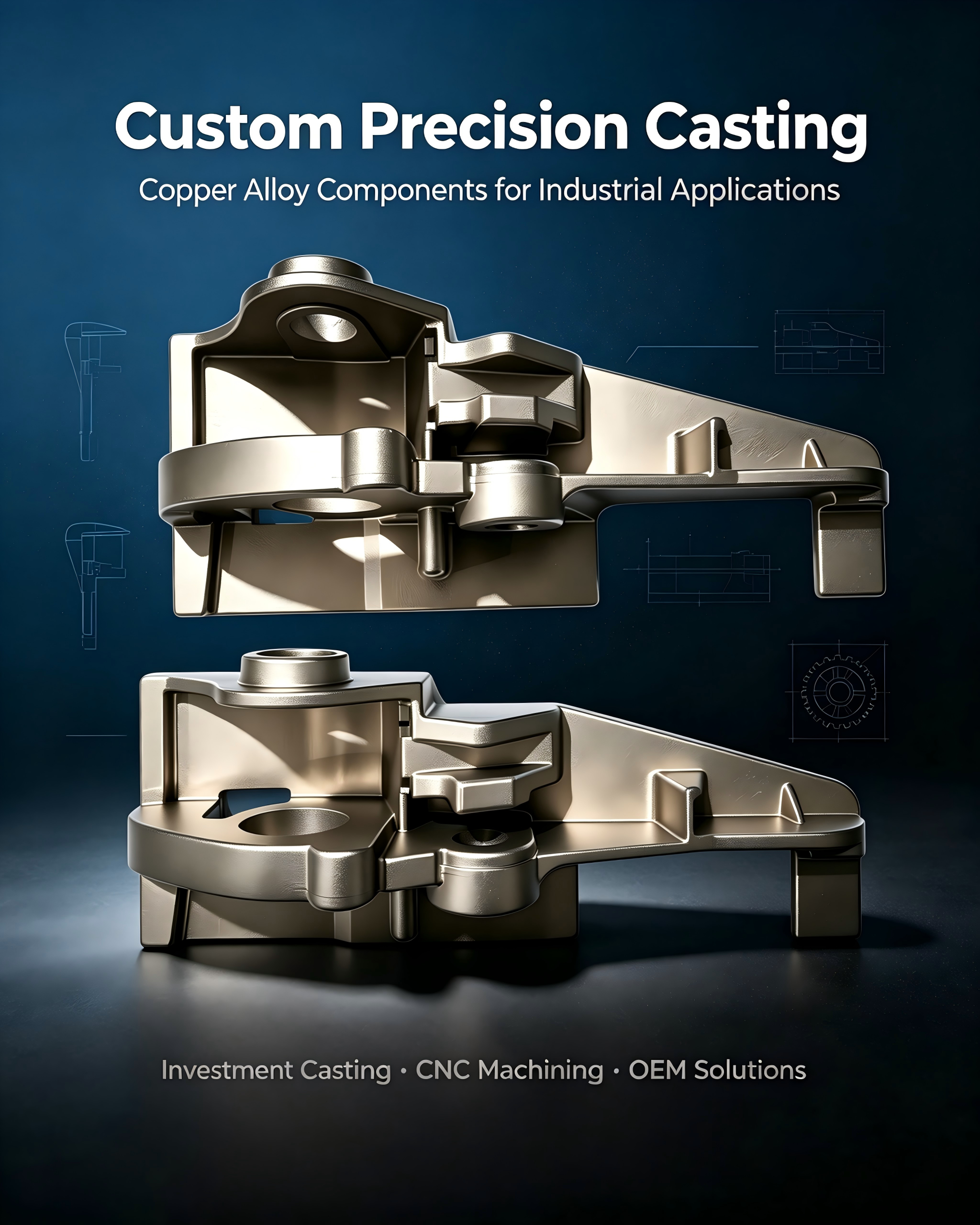
One of the biggest advantages of investment casting is its ability to produce complex, integrated shapes. Instead of casting multiple separate parts and assembling them, combine them into a single casting.
What to do:
Identify components that are currently bolted or welded together. Design them as a single integrated casting. Consider function consolidation: brackets, flanges, bosses in one part.
Cost impact:
- Eliminates assembly labor and fastener costs
- Reduces total number of parts
- Improves structural integrity
- Typical savings: 20-40% on assembled components
Tip 4: Specify Only the Machining Tolerances You Actually Need
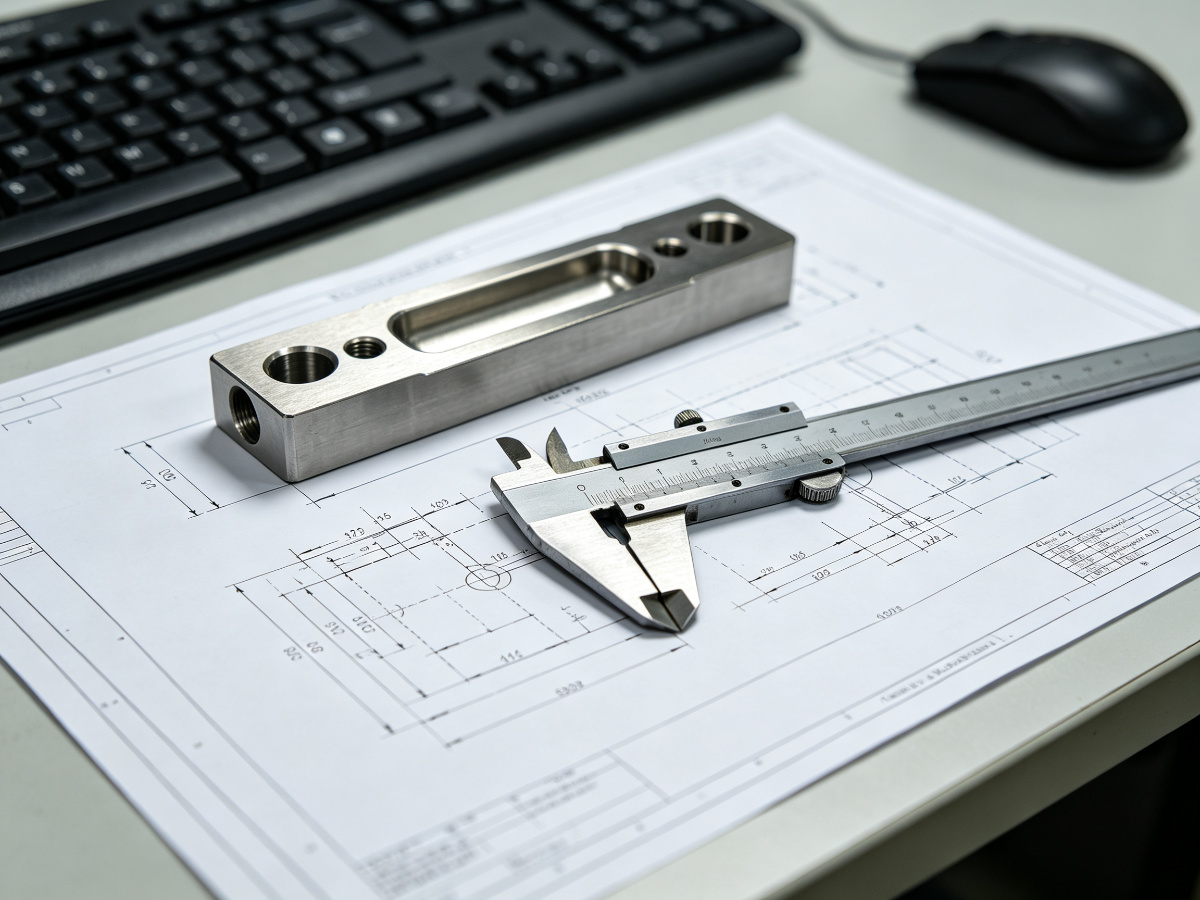
It's tempting to specify tight tolerances everywhere, but every additional tolerance grade adds cost. Investment casting can hold ±0.1mm on critical features and ±0.3mm on general features — you don't need CNC-tight tolerances on every surface.
What to do:
Identify critical mating surfaces (bores, flange faces). Specify tight tolerances (±0.05-0.1mm) only where needed. Use looser tolerances (±0.3-0.5mm) on non-critical surfaces. Specify as-cast surface finish where appearance isn't critical.
Cost impact:
- Reduces CNC machining time by 30-50%
- Shortens lead times
- Lower tooling and fixturing costs
Tip 5: Avoid Undercuts and Complex Features That Require Cores
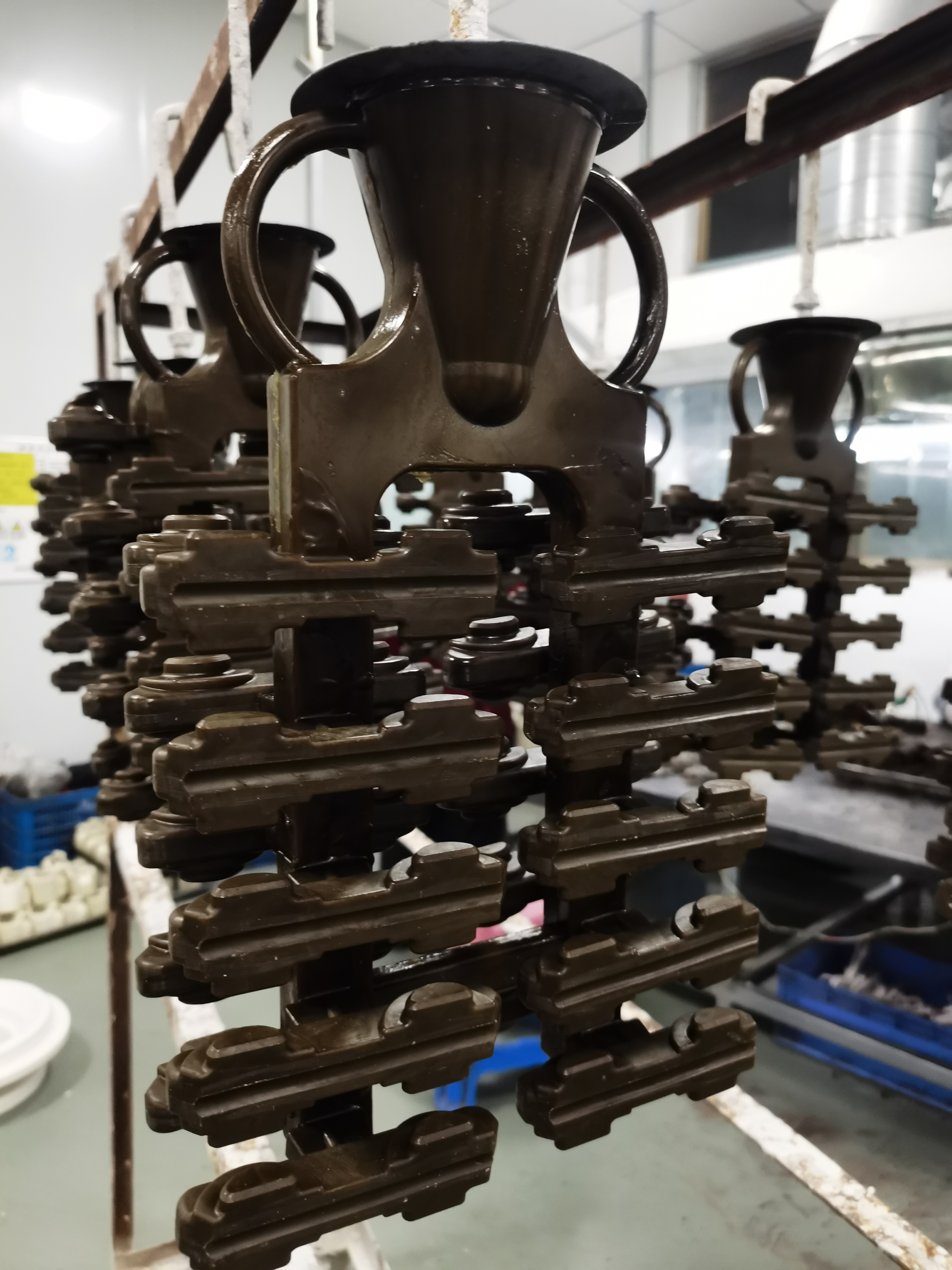
While investment casting excels at complex geometries, certain features like deep undercuts require additional cores or wax assembly steps, which increase cost and lead time.
What to do:
Redesign undercuts to be moldable in a single piece. Use through-holes instead of blind pockets where possible. Simplify internal passages. Consult your casting supplier before finalizing the design.
Cost impact:
- Reduces wax assembly labor
- Decreases core-related defects
- Shortens lead time by 1-2 weeks
Tip 6: Design Gating and Risers Into the Part (with your supplier)
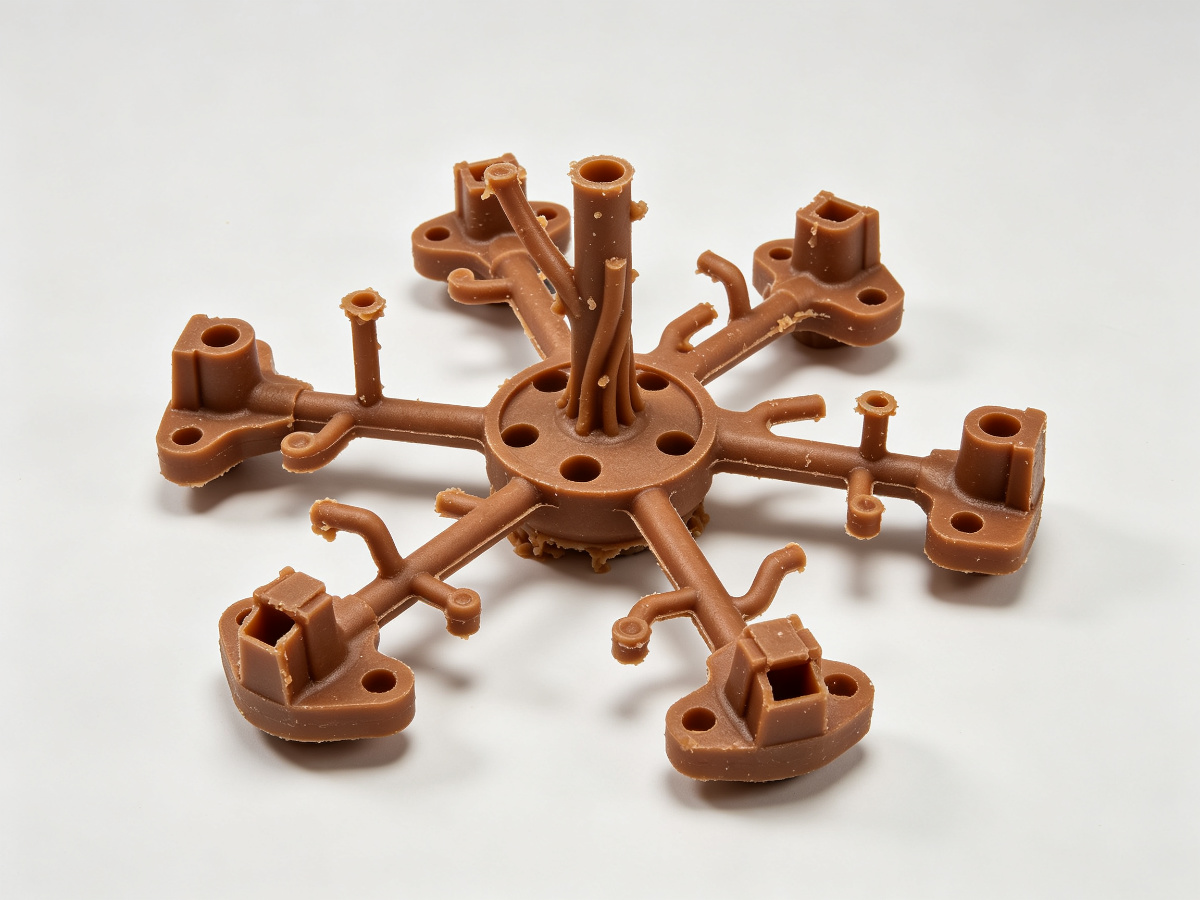
The gating system (the channels that feed molten metal into the mold) is often an afterthought. But smart gating design — decided early in the design process — can eliminate defects and reduce waste.
What to do:
Involve your casting engineer early in the design phase. Optimize the part orientation for gating. Consider adding feeding bosses that can be machined off later. Use simulation software to predict fill patterns.
Cost impact:
- Improves casting yield from 70% to 90%+
- Reduces material waste
- Minimizes post-cast inspection failures
Tip 7: Consider the Total Cost, Not Just Piece Price
The cheapest casting isn't always the most cost-effective. A part with higher piece price but zero scrap, perfect fit, and minimal machining may save you money in the long run.

What to evaluate:
Casting price: obviously important. Machining cost: tighter tolerances = more machining. Assembly cost: one-piece design saves assembly. Scrap rate: quality affects your production line. Lead time: faster delivery = lower inventory.
Cost impact:
- Optimizing total system cost can reduce overall expenses by 15-30%
- Reduces warranty and field failure costs
Common Design Mistakes That Waste Money
Here are the most frequent design errors we see that add unnecessary cost:
- Over-specified tolerances — tight tolerances on non-critical surfaces
- Sharp corners — no fillets, causing shell cracking
- Extreme wall thickness variation — leading to shrinkage defects
- Deep, narrow slots — difficult to shell and clean
- Threads as-cast — threads should always be machined
- Too many small holes — drill after casting instead
- Symmetric designs with no datum features — causes machining alignment issues
How to Get Started
The best way to optimize your casting design is to work with an experienced manufacturer early in the process. At Huayong Metal, our engineering team can review your drawings and suggest design improvements before you commit to tooling.
What we offer:
- Free design review for your investment casting project
- DFM (Design for Manufacturing) analysis
- Material selection guidance
- Prototype to mass production support
Send us your drawings today — we'll provide a detailed quotation within 48 hours, including any design recommendations to help reduce your costs.
Ready to Optimize Your Casting Design?
Send us your drawings for a free DFM review and detailed quotation within 48 hours. OEM/ODM welcome.
Get a Free Quote View Our ProductsPublished on September 20, 2026 by Wuxi Huayong Metal Technology Co., Ltd.