
1. What is Investment Casting?
Investment casting (also called lost-wax casting or precision casting) is a manufacturing process that produces highly accurate, complex metal parts with excellent surface finish. The process involves creating a wax pattern, coating it with refractory material to form a mold, melting out the wax, and pouring molten metal into the cavity.
With origins dating back over 5,000 years to ancient civilizations, investment casting has evolved into a sophisticated industrial process capable of producing parts with tolerances as tight as ±0.05mm and surface finishes as smooth as Ra 1.6μm.
At Wuxi Huayong Metal Technology, we specialize in precision investment casting for global clients across valves, pumps, automotive, aerospace, and general industrial sectors.
2. The Investment Casting Process: Step by Step
The investment casting process involves several carefully controlled stages. Here is a complete breakdown:
Step 1: Pattern Design & Production
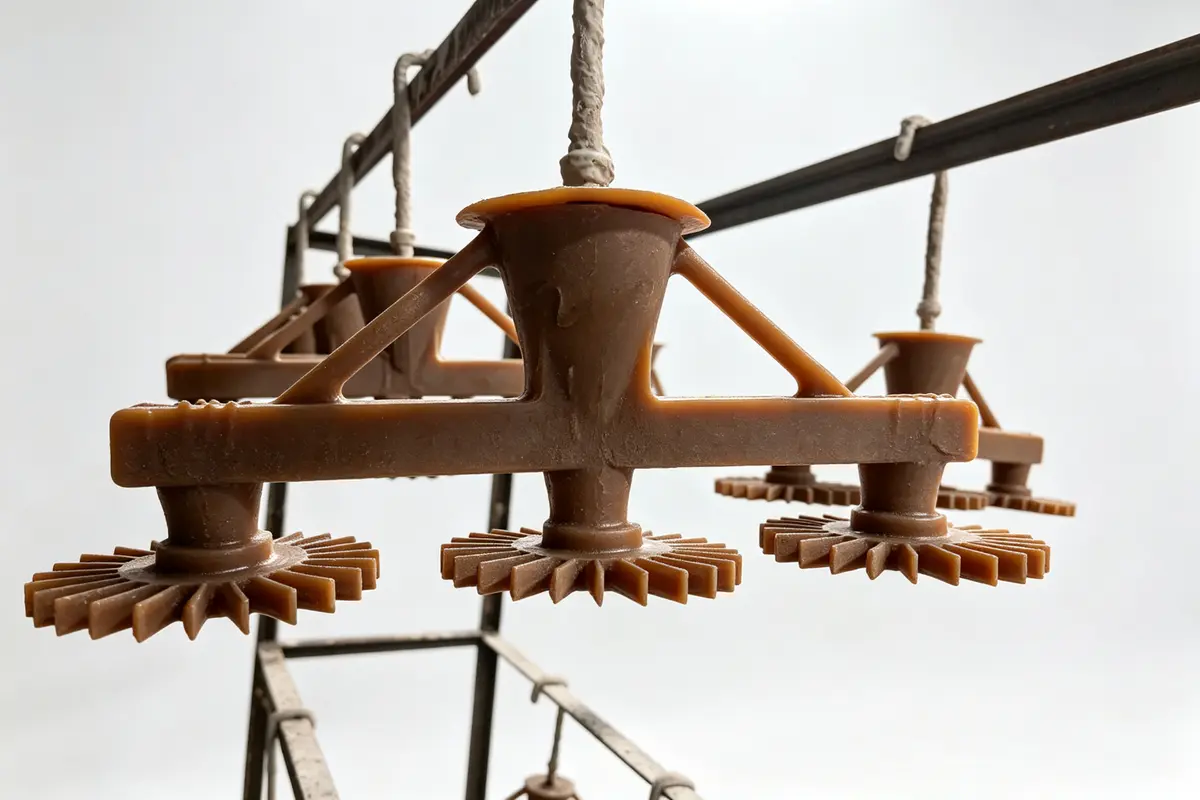
The process begins with a detailed 3D model or 2D drawing of the desired part. A wax injection mold is created, and molten wax is injected under pressure to form an exact replica of the final part. Multiple wax patterns can be assembled onto a central sprue to form a "tree."
Step 2: Assembly & Gating System
Individual wax patterns are attached to a central wax sprue using heated tools. This assembly, called a "pattern tree" or "wax tree," includes gates and runners that ensure proper metal flow during pouring.
Step 3: Shell Building (Investment)
The wax tree is repeatedly dipped into a ceramic slurry and coated with refractory sand. This process, called "investing," is repeated 5-8 times to build a strong ceramic shell around the wax pattern. Each layer is allowed to dry before the next is applied.
Step 4: Dewaxing (Lost Wax)
The ceramic shell is placed in an autoclave or flash furnace, where the wax melts and drains out — hence the name "lost-wax casting." The hollow ceramic shell now contains a cavity in the exact shape of the desired part.
Step 5: Shell Preheating & Metal Pouring
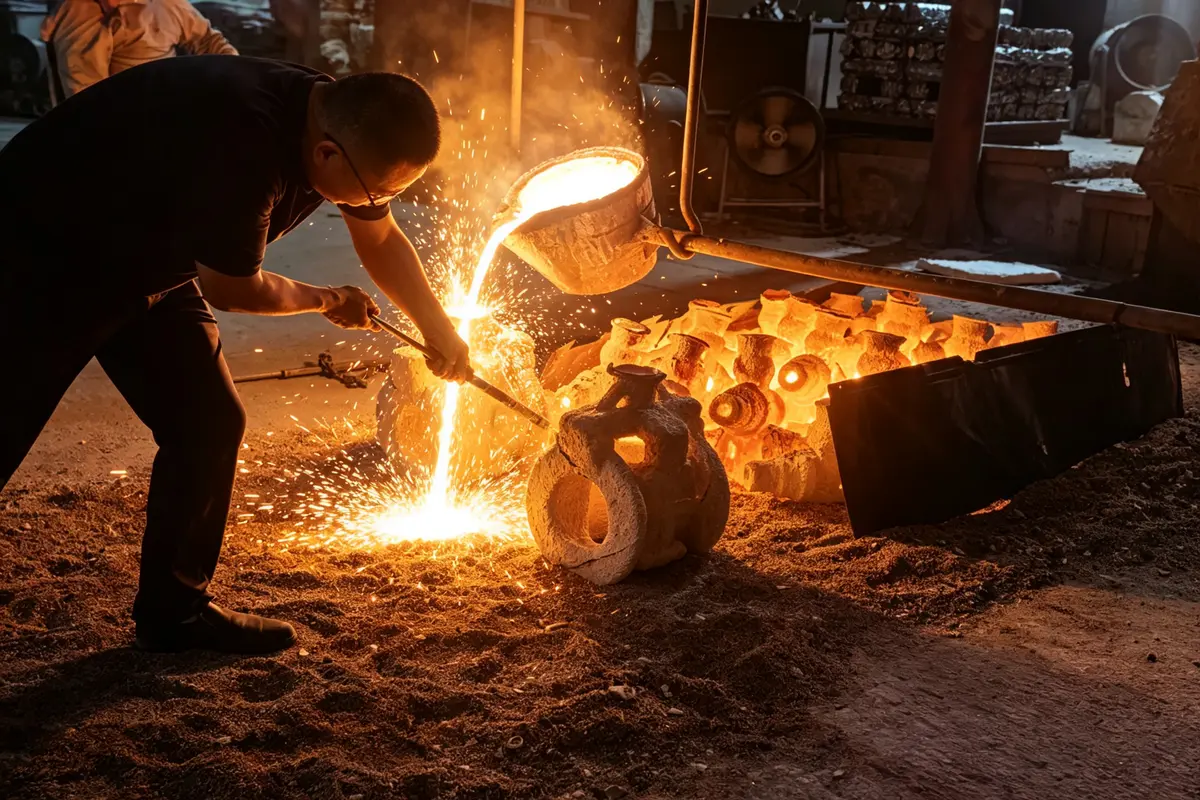
The empty shell is preheated to 800-1100°C to remove residual moisture and strengthen the mold. Molten metal (heated to temperatures ranging from 1500°C for steel to 1100°C for copper alloys) is then poured into the preheated shell. Gravity, vacuum, or centrifugal force may be used to ensure complete filling.
Step 6: Cooling & Shell Removal
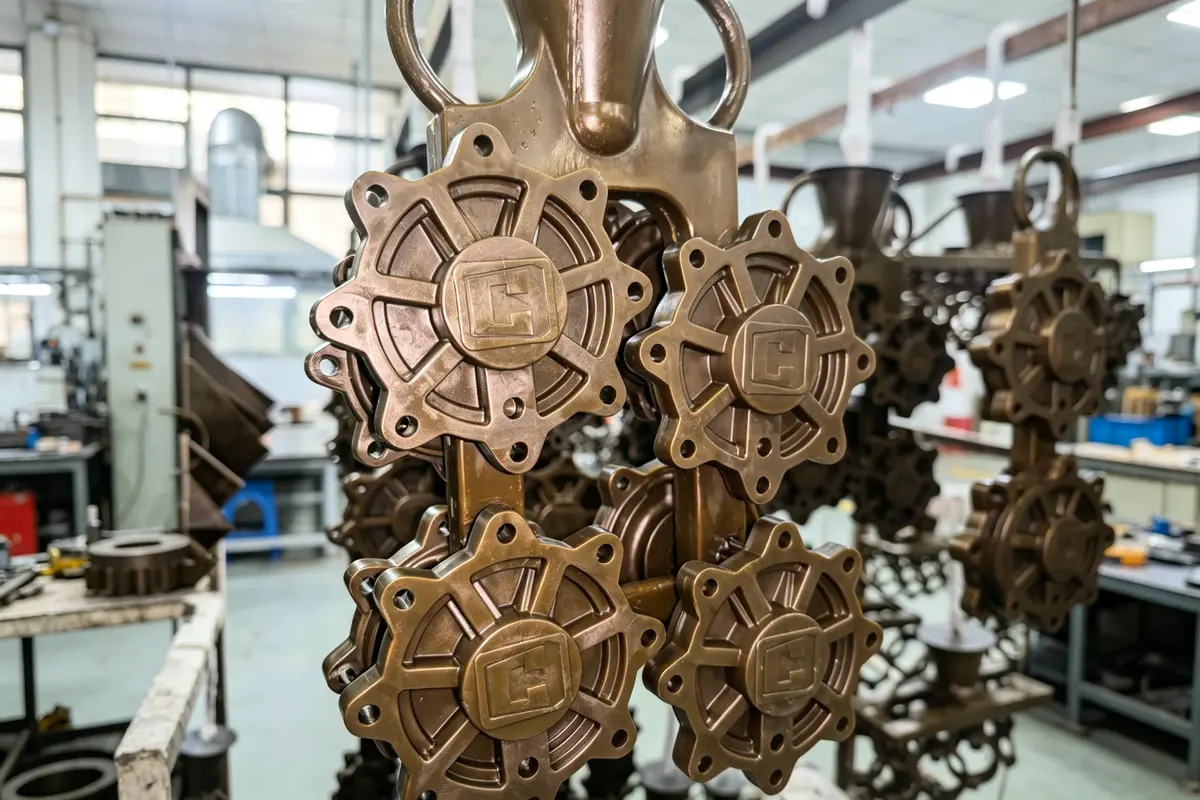
After the metal solidifies and cools, the ceramic shell is broken away using mechanical vibration, water blasting, or chemical leaching. The cast parts are then cut from the sprue.
Step 7: Finishing & Quality Control
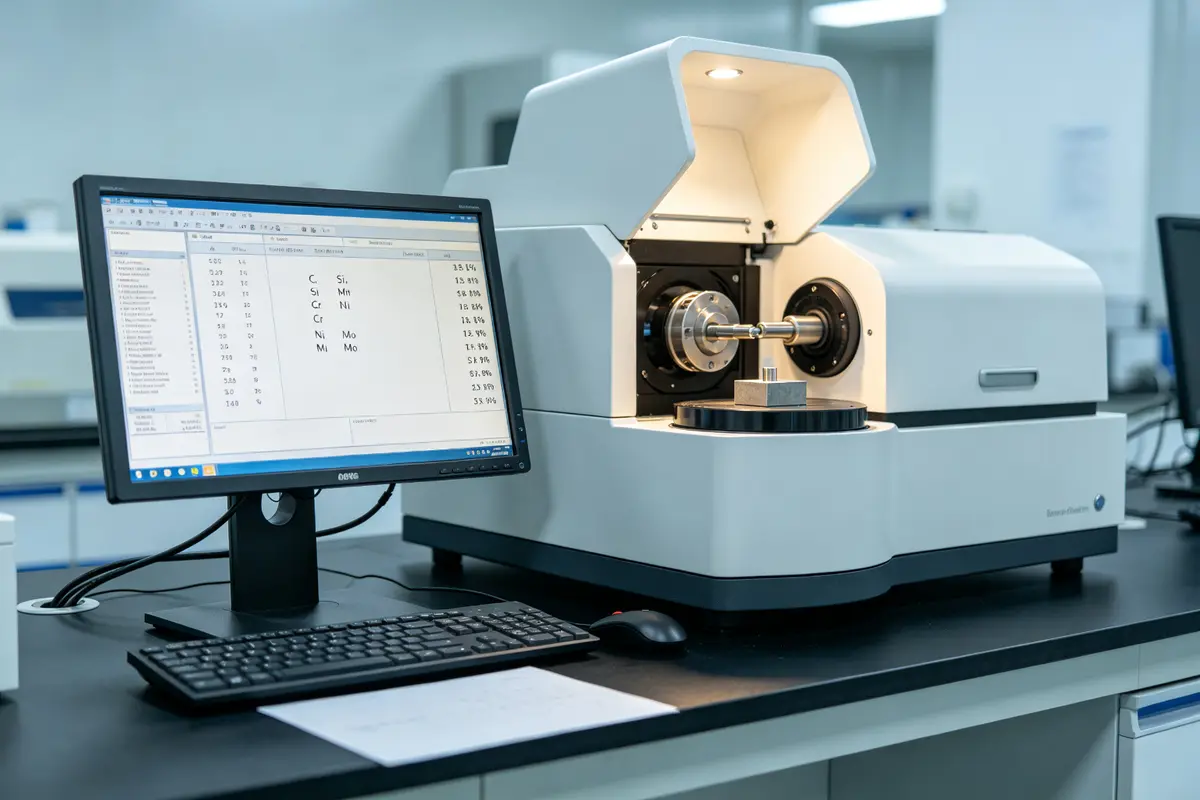
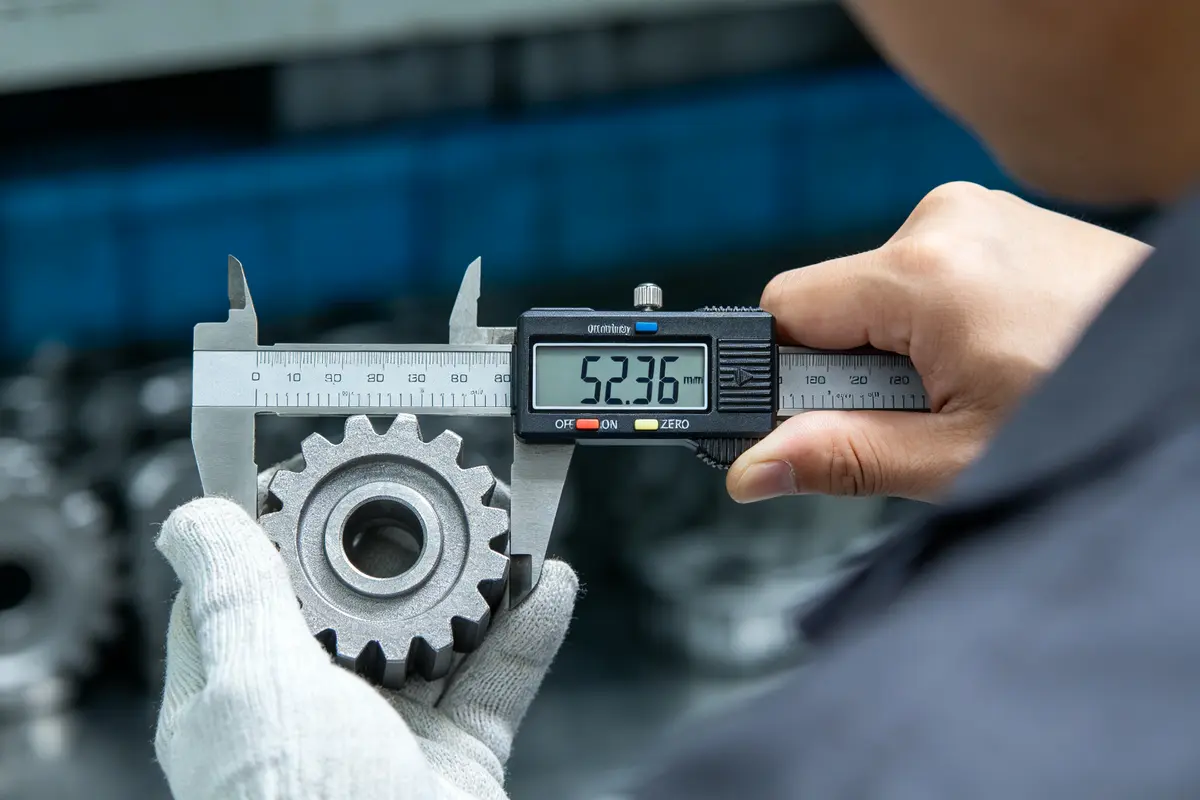
Parts undergo grinding, sandblasting, and CNC machining to achieve final dimensions and surface finish. Comprehensive quality control includes dimensional inspection, chemical analysis, mechanical testing, and non-destructive testing (NDT) such as X-ray and penetrant inspection.
3. Key Advantages of Investment Casting
Investment casting offers numerous benefits that make it the preferred choice for many critical applications:
- Exceptional Dimensional Accuracy: Tolerances of ±0.05mm to ±0.1mm are achievable, reducing or eliminating secondary machining operations.
- Superior Surface Finish: As-cast surface finishes of Ra 1.6-3.2μm are typical, far smoother than sand casting or die casting.
- Complex Geometry Capability: Highly intricate shapes, internal passages, undercuts, and thin walls (as thin as 0.5mm) can be produced that would be impossible with other methods.
- Wide Material Selection: Virtually any castable metal can be used, including stainless steels, alloy steels, carbon steels, duplex steels, copper alloys, nickel-based superalloys, and cobalt alloys.
- No Parting Lines: Unlike die casting or sand casting, investment casting produces parts with no flash or parting lines, reducing finishing costs.
- Design Flexibility: Parts can be designed as a single casting that would otherwise require assembly of multiple components, reducing weight and cost.
- Low Tooling Cost for Small Batches: Wax pattern tooling is relatively inexpensive compared to die casting dies, making investment casting ideal for low to medium production volumes.
- Excellent Material Utilization: Near-net-shape casting minimizes material waste, an important factor for expensive alloys like Hastelloy and Inconel.
4. Common Materials Used in Investment Casting
Investment casting supports an extremely wide range of materials. Here are the most commonly used alloys:
| Material Category | Common Grades | Typical Applications |
|---|---|---|
| Stainless Steel | 304, 316, 316L, CF8, CF8M, CF3M | Valve bodies, pump parts, food equipment, marine hardware |
| Duplex Stainless Steel | 2205 (CD4MCu), 2507 (CD3MN) | Oil & gas components, chemical processing, marine pumps |
| Carbon & Alloy Steel | WCB, WCC, 4130, 4140, 42CrMo, 40Cr | Automotive parts, machinery components, structural parts |
| Heat-Resistant Alloy | HK30, HP, 310S, 309S, 1.4848 | Furnace parts, heat treatment fixtures, turbocharger parts |
| Copper Alloy | Aluminum Bronze, Tin Bronze, Brass, CuSn10, C95400 | Bearing bushes, gears, impellers, electrical components |
| Nickel-Based Superalloy | Inconel 600, 718, Hastelloy C276, Monel 400 | Aerospace turbine parts, chemical processing, marine |
| Tool Steel | H13, P20, D2, S136 | Die components, cutting tools, mold inserts |
5. Applications of Investment Casting
Investment casting is used across virtually every industry that requires precision metal components. Major application areas include:
Valve & Pump Industry
Valve bodies, bonnets, impellers, pump casings, diffusers, and bowls are among the most common investment cast components. The process delivers the tight tolerances and smooth surfaces required for fluid control equipment. Materials range from stainless steel (304, 316) to duplex steel (2205) and special alloys like Alloy 20 and Hastelloy for corrosive environments.
Automotive & Transportation
Investment casting produces turbocharger housings, exhaust manifolds, bracket components, suspension parts, and transmission components. The ability to cast complex shapes in heat-resistant alloys makes it ideal for high-performance automotive applications.
Aerospace & Defense
Turbine blades, vanes, engine mounts, structural brackets, and weapons components rely on investment casting for its ability to produce high-strength, lightweight parts in superalloys with exceptional precision.
Oil & Gas / Petrochemical
Downhole tools, valve components, flanges, and process equipment parts are cast in corrosion-resistant alloys such as duplex stainless steel, Inconel, and Hastelloy to withstand harsh operating environments.
Food & Pharmaceutical
Sanitary valve components, pump parts, and processing equipment are cast in 304/316L stainless steel with polished surfaces to meet FDA and EHEDG hygiene standards.
General Industrial Machinery
Gears, sprockets, bearing housings, coupling hubs, levers, and custom mechanical components benefit from the design flexibility and cost-effectiveness of investment casting.
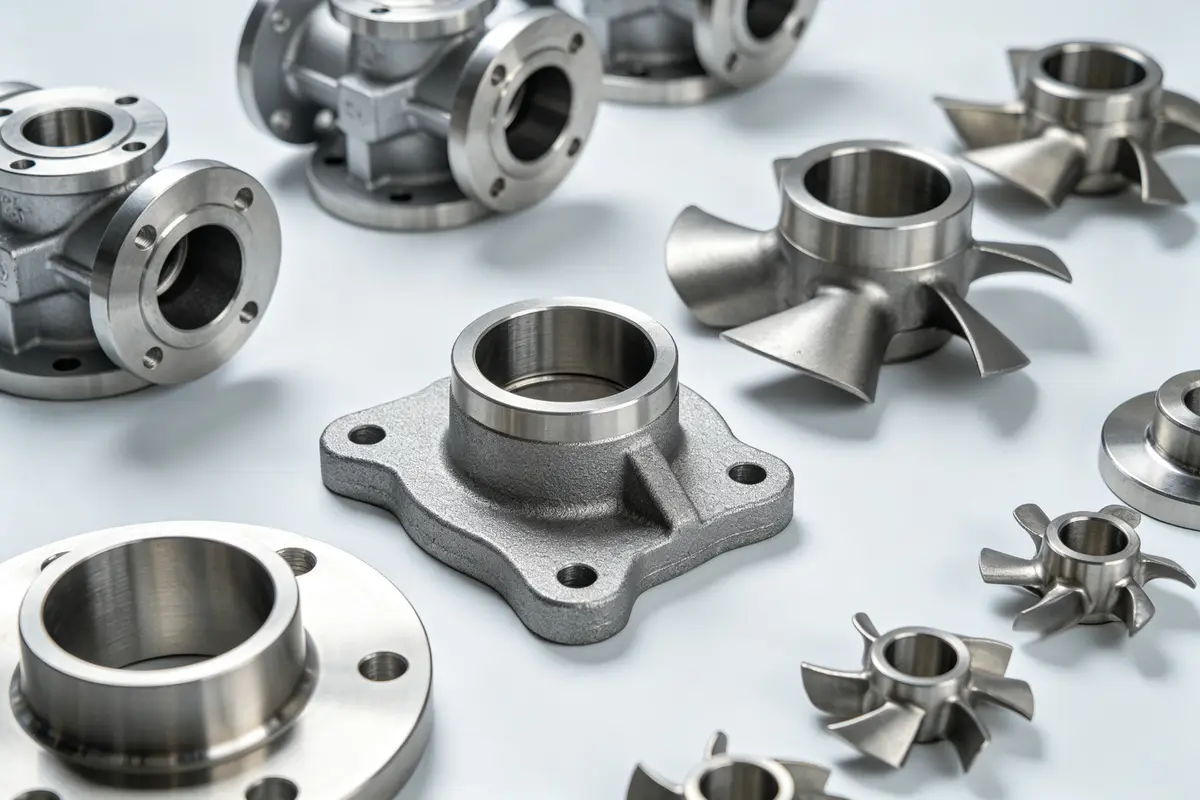 valve bodies and pump impellers" loading="lazy">
6. Investment Casting vs. Other Casting Methods
How does investment casting compare to other common casting processes?
| Feature | Investment Casting | Sand Casting | Die Casting | Forging |
|---|---|---|---|---|
| Dimensional Accuracy | Excellent (±0.05mm) | Fair (±1mm) | Good (±0.1mm) | Good (±0.2mm) |
| Surface Finish | Excellent (Ra 1.6) | Poor (Ra 12.5+) | Good (Ra 3.2) | Fair (Ra 6.3) |
| Complex Geometry | Excellent | Good | Fair | Poor |
| Material Range | Very Wide | Wide | Limited (non-ferrous) | Limited |
| Tooling Cost | Low-Medium | Low | High | High |
| Part Cost (Low Volume) | Medium | Low | High | High |
| Part Cost (High Volume) | Medium-High | Low | Low | Medium |
| Minimum Wall Thickness | 0.5mm | 3mm | 1mm | 3mm |
7. How to Choose a Reliable Investment Casting Supplier
Selecting the right investment casting partner is critical to product quality, delivery reliability, and cost efficiency. Here are key factors to evaluate:
Certifications & Quality Systems
Look for suppliers with ISO 9001 certification as a minimum. For aerospace or automotive applications, AS9100 or IATF 16949 certification may be required. In-house testing capabilities (spectrometer, tensile tester, hardness tester, NDT) are essential indicators of quality commitment.
Technical Capability
A reliable foundry should offer comprehensive in-house capabilities including: pattern design and manufacturing, shell building, melting and pouring, heat treatment, CNC machining, and surface treatment. This one-stop approach ensures better quality control and faster delivery.
Material Expertise
Verify that the supplier has experience with your specific material. Different alloys require different melting practices, pouring temperatures, and heat treatment cycles. A foundry experienced in stainless steel may not be the best choice for nickel-based superalloys.
Production Capacity & Lead Time
Consider the supplier's production capacity relative to your volume requirements. Typical lead times for investment casting are 4-6 weeks for first samples and 3-4 weeks for production orders. Ensure the supplier can meet your delivery schedule.
Communication & Responsiveness
Effective communication is essential for custom manufacturing. A good supplier should respond to inquiries within 24 hours, provide regular project updates, and have English-speaking technical staff for international clients.
Cost Transparency
Request detailed quotations that break down tooling costs, piece prices, secondary operations, and any additional fees. Be wary of prices that seem too low — they may indicate quality shortcuts or hidden costs.
8. Why Choose Huayong for Your Investment Casting Needs?
Wuxi Huayong Metal Technology Co., Ltd. is a professional precision investment casting foundry located in Wuxi, China. With years of experience serving global clients, we offer:
- Complete In-House Capability: From wax pattern design to final CNC machining — all under one roof.
- Wide Material Range: Stainless steel, duplex steel, carbon/alloy steel, copper alloy, heat-resistant alloy, and more.
- ISO 9001 Certified: Rigorous quality control at every stage of production.
- Custom Manufacturing: All parts are made to customer drawings — no standard parts, only your exact specifications.
- 48-Hour Response: Fast quotation and technical support for all inquiries.
- Competitive Pricing: Factory-direct pricing with no middleman markup.
- Global Shipping: Experienced in exporting to Europe, North America, Middle East, and Southeast Asia.
9. Conclusion
Investment casting remains one of the most versatile and precise metal manufacturing processes available. Its unique combination of dimensional accuracy, surface quality, design flexibility, and material versatility makes it the preferred choice for complex, high-value components across virtually every industry.
Whether you need a single prototype or mass production of thousands of parts, working with an experienced and reliable investment casting supplier is essential. At Huayong, we combine traditional craftsmanship with modern technology to deliver precision cast components that meet the most demanding specifications.
All our castings are custom made based on your drawings. Send us your 2D/3D drawings, samples, or part requirements, and our engineering team will provide a detailed quotation within 48 hours.
Ready to Start Your Investment Casting Project?
Send us your drawings or specifications for a free custom quotation within 48 hours. OEM/ODM welcome.
Get a Free Quote View Our ProductsPublished on September 12, 2026 by Wuxi Huayong Metal Technology Co., Ltd.