
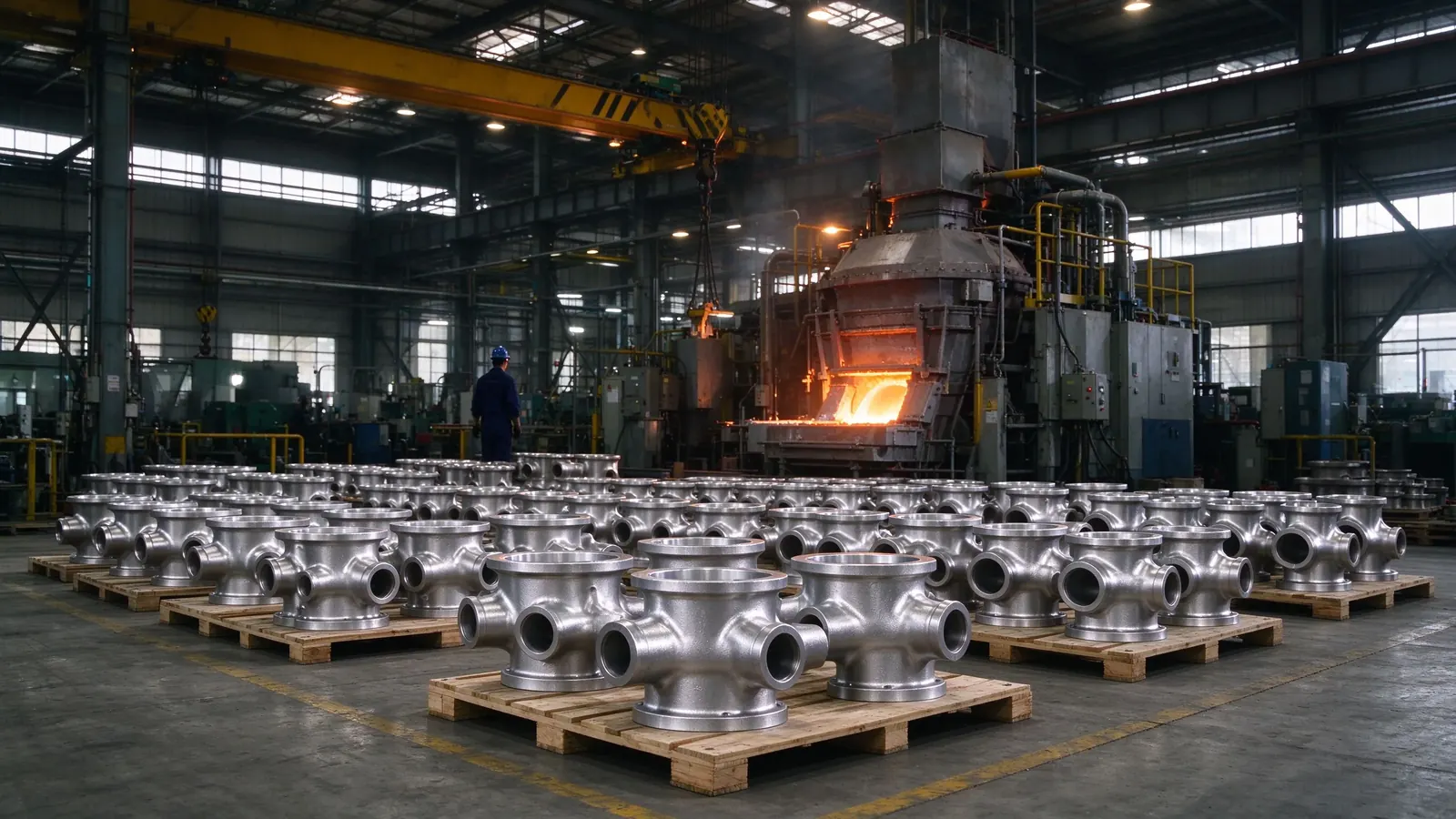
Why Source Castings from China?
Chinese foundries have become the default option for OEM castings for three reasons: cost competitiveness, broad material coverage (stainless steel, alloy steel, duplex, Hastelloy and copper alloys in one place), and flexible volume options for prototype, spare-part and production orders. The challenge is not finding a foundry; it is finding the right one. The suppliers that survive the vetting process below are the ones worth sending a drawing to.
1. Verify Core Capabilities First
Before comparing prices, confirm the foundry can actually make your part. Ask about:
- Casting process — investment casting (lost-wax) for complex shapes and fine detail, or sand casting for large, simple parts?
- Material range — do they cast the grade on your drawing (304/316/316L, CF8/CF8M/CF3M, duplex 2205, 4140, Hastelloy, bronze)?
- Part size and weight — where is their practical envelope? A foundry that only does 1 kg parts is a poor match for a 50 kg housing.
- Secondary operations — machining, heat treatment, surface finishing, pressure testing in-house or outsourced?
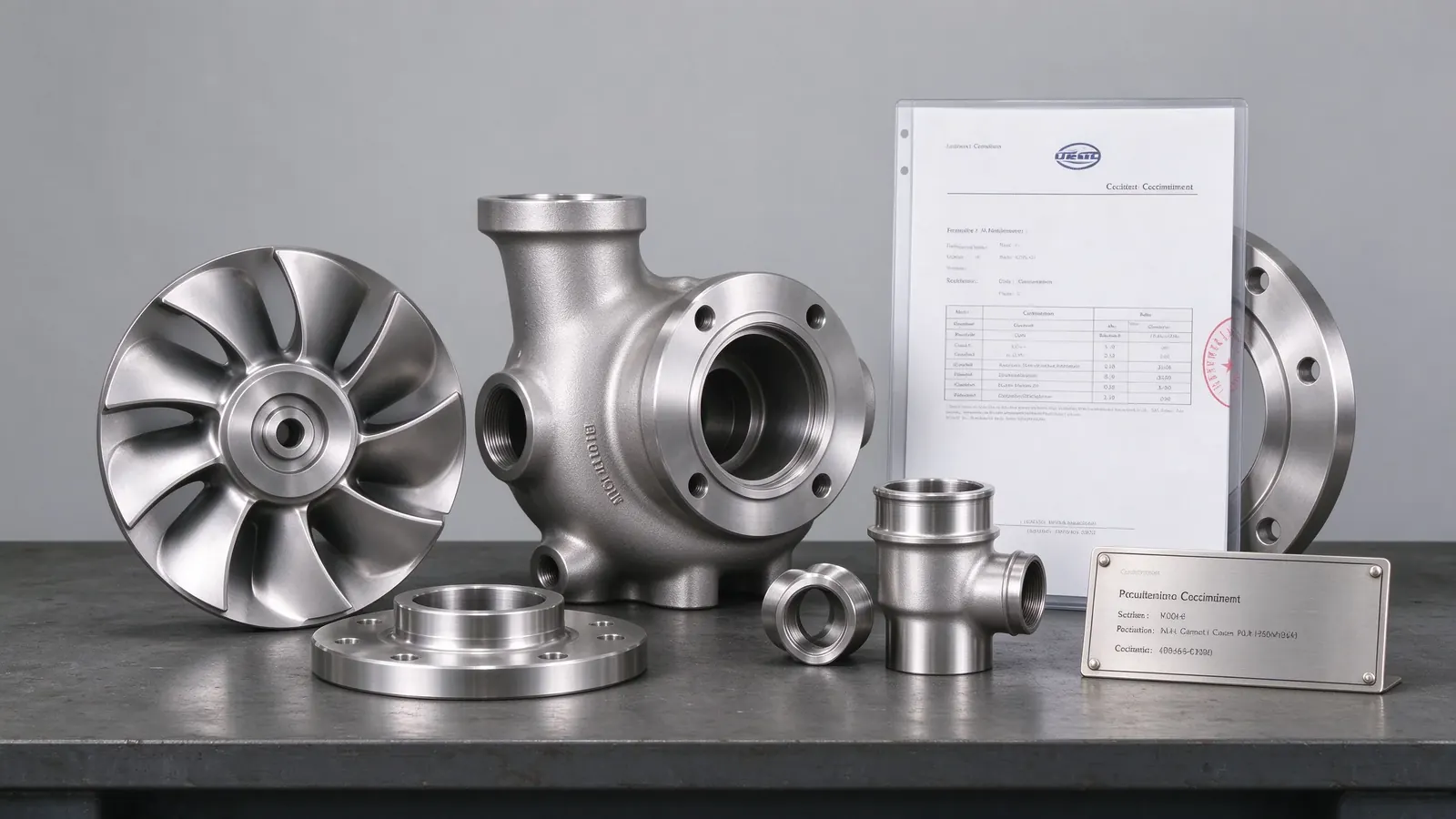
2. Audit the Quality Control System
A foundry's QC system is where quality is actually made. Walk through their process controls:
- Incoming material — are alloys verified by spectrometer before melting, with heat traceability?
- In-process control — wax room conditions, shell building, pouring parameters, heat-treatment records.
- First-article inspection — are dimensions checked against your drawing on the first production sample?
- Final inspection — dimensional reports, surface inspection, and NDT (radiographic, penetrant, ultrasonic) when specified.
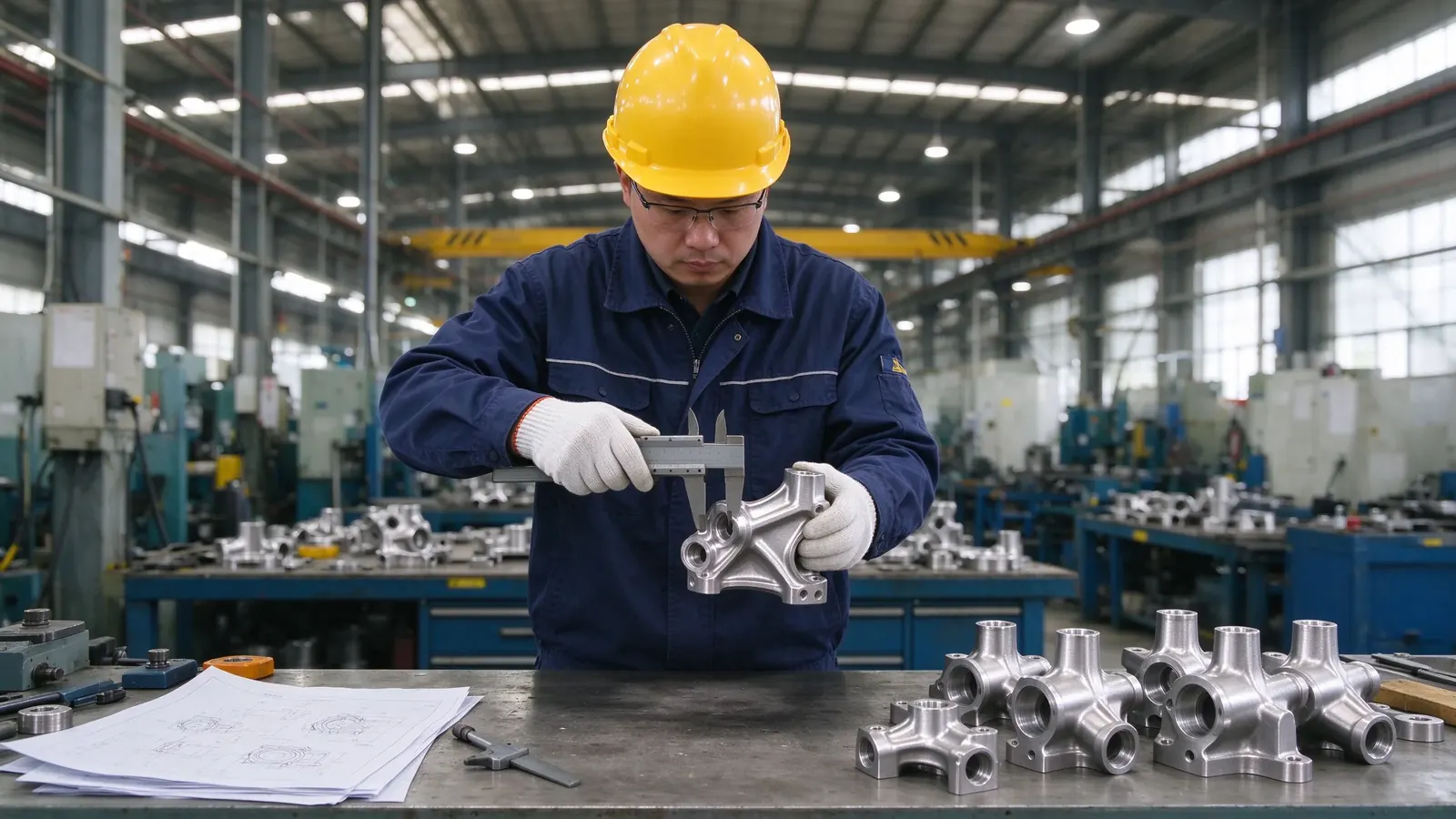
Tip: Ask for photos or video of the actual inspection process — and if you can, a live video call across the workshop floor. Real foundries show their shop without hesitation.
3. Demand Material Certification
In casting, the material grade is only as good as its paperwork. A serious supplier provides, with every shipment:
- Material test certificate (MTC/COA) with heat number traceability
- Spectrometer analysis of each heat against the ordered grade chemistry
- PMI (positive material identification) testing on request
- Third-party inspection through a nominated inspection company on request
If a supplier cannot explain their grade verification process, treat the quoted "304" or "CF8M" as unverified until proven otherwise.
4. Test Communication and Responsiveness
Your foundry is a long-term engineering partner, not a one-off vendor. Use the quoting stage itself as a test:
- Do they respond within one working day?
- Do they ask sharp questions about your drawing (tolerances, surface finish, application, quantity)?
- Do they flag manufacturability issues — or just accept everything and worry later?
- Is their English clear enough for drawing reviews and defect discussions?
Poor communication during the quote is a reliable predictor of poor communication during production.
5. Clarify Lead Time, Packaging and Payment
The commercial terms are part of the technical decision:
- Lead time — ask for tooling time, sampling time and production time separately.
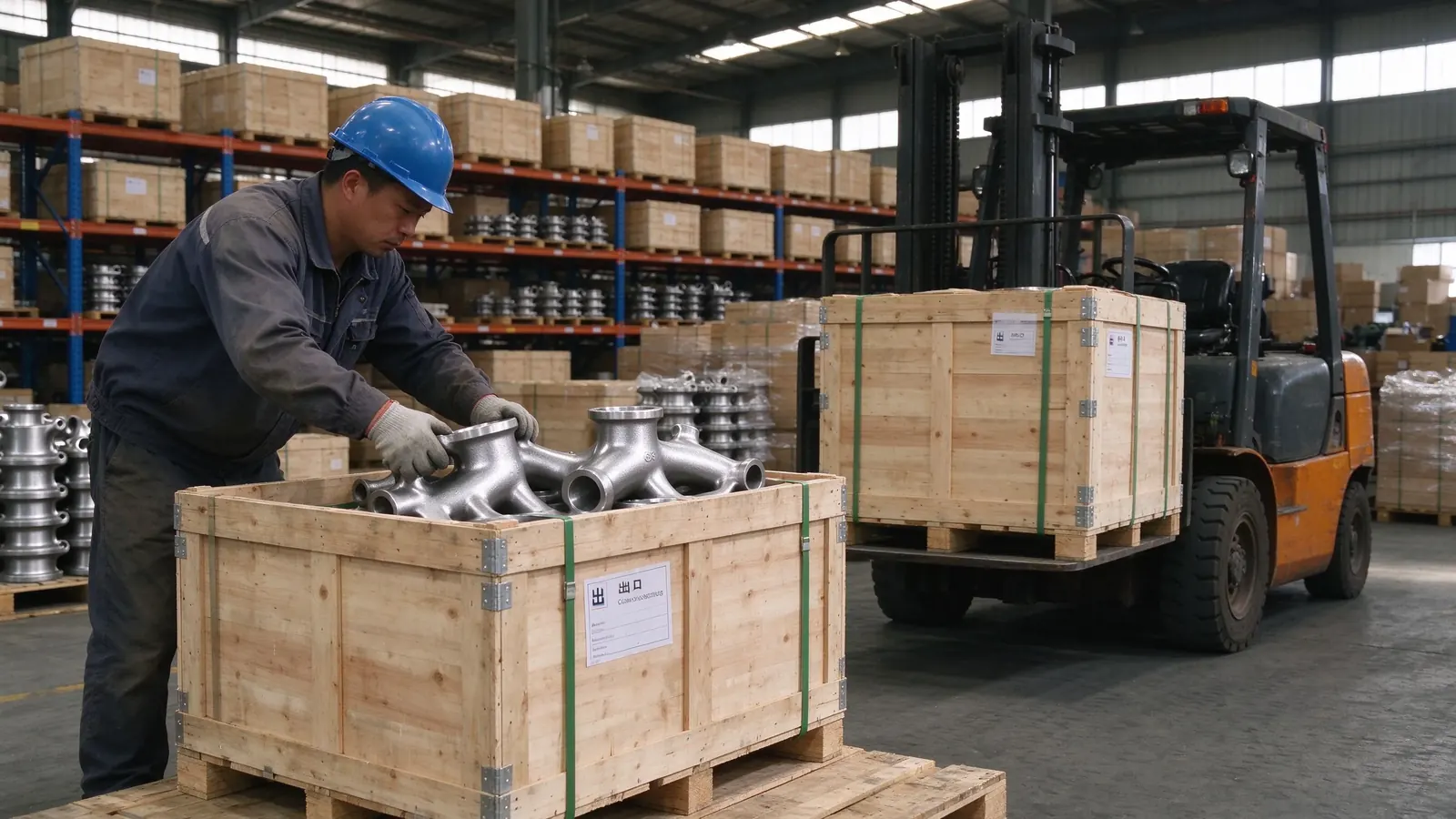
- Packaging — export-grade wooden cases, with internal protection, are the norm for overseas shipments; confirm it is included.
- Payment — typical terms are 50% deposit with the balance before shipment; beware of suppliers demanding full payment before first-article approval.
- Incoterms — confirm whether the price is FOB, CIF or DDP, and which port is used.
Red Flags to Avoid
- No material certificates — or certificates that cannot be traced to a heat number
- Vague pricing — "we will tell you after we see the drawing" with no breakdown
- Refusal of third-party inspection — legitimate foundries welcome it
- No verifiable factory — no address, no workshop photos, no video call willingness
- Trade-company disguise — an agent posing as a foundry. Ask for workshop photos with their own signage
The 12-Question Checklist
Copy this list into your next RFQ email. The answers separate serious foundries from the rest:
| # | Question | Why It Matters |
|---|---|---|
| 1 | Which casting processes do you run in-house? | Process match for your part geometry |
| 2 | Which material grades do you cast regularly? | Grade experience = fewer surprises |
| 3 | What is your part weight and size envelope? | Confirms your part fits their capacity |
| 4 | Do you provide an MTC/COA with heat traceability? | Material is verifiable, not claimed |
| 5 | Can you share a sample dimension report? | Shows how they document QC |
| 6 | Do you accept third-party inspection? | Confidence in your own quality |
| 7 | What is your typical first-article lead time? | Realistic project planning |
| 8 | What tolerances do you hold on investment castings? | Sets expectations before tooling |
| 9 | Do you machine, heat-treat and finish in-house? | Fewer handoffs, better control |
| 10 | What packaging do you use for export? | Protects parts in transit |
| 11 | What are your payment terms? | Alignment with your purchasing rules |
| 12 | Can I have a video call across your workshop? | The single fastest way to verify a factory |
Buyers can use these questions to compare foundries, request documentation and arrange a video call before placing an order.
Ready to Discuss Your Casting Project?
Send us your drawings or requirements for a quotation. Material, geometry, machining note and quantity help our team prepare a practical response. OEM/ODM welcome.
Get a Free Quote View Our Products