
Lost Wax Casting vs Die Casting: Key Differences Explained
Both processes produce precise metal parts — but they are fundamentally different. This guide compares accuracy, cost, materials and tooling so you can choose the right process for your project.
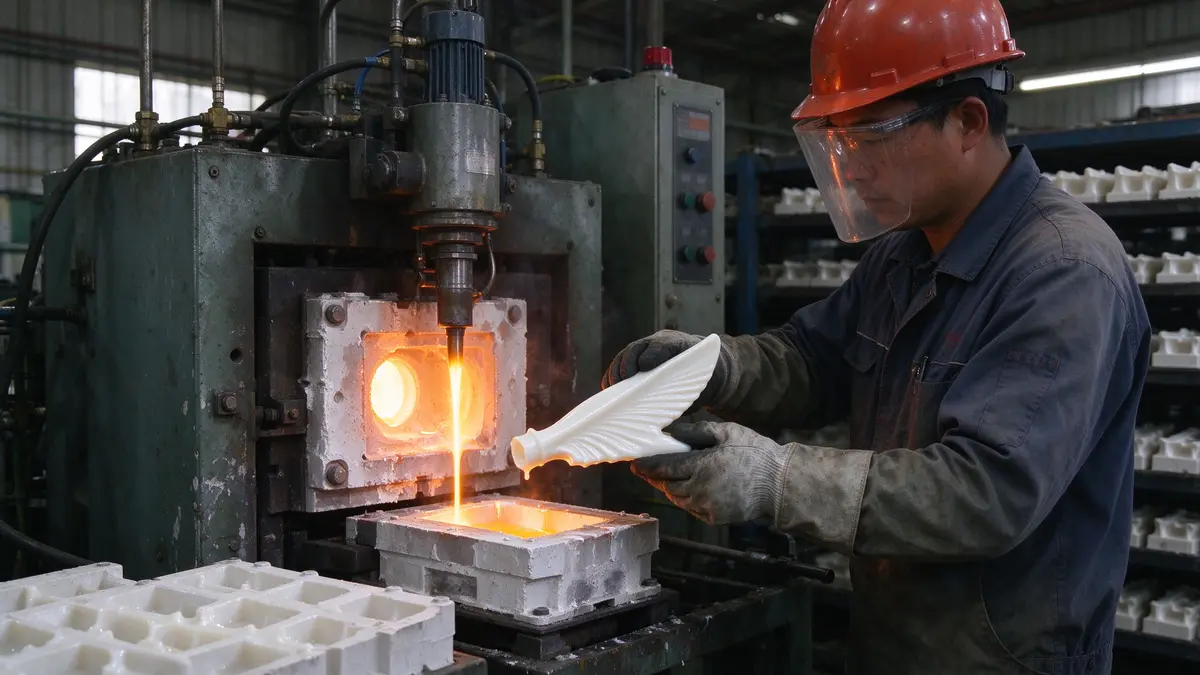
Two Processes, Two Philosophies
Lost wax casting (investment casting) and die casting both produce near-net-shape metal parts, but they differ fundamentally in how the mold is made, what materials can be used, and what they cost at different volumes.
In short: die casting injects molten metal into a permanent steel mold at high pressure and high speed — ideal for very high volumes of aluminum, zinc and magnesium parts. Lost wax casting builds a one-time ceramic shell around a wax pattern — offering wider material choices, larger parts, and lower tooling cost.
Quick Comparison Table
| Factor | Lost Wax Casting | Die Casting |
|---|---|---|
| Typical materials | Stainless steel, alloy steel, duplex, Hastelloy, copper, carbon steel | Aluminum, zinc, magnesium (non-ferrous) |
| Ferrous (steel) parts | ✅ Yes | ❌ No (limited) |
| Typical tolerance | ±0.13 - 0.75 mm | ±0.05 - 0.25 mm |
| Surface finish | Ra 1.6 - 6.3 μm | Ra 0.8 - 3.2 μm |
| Tooling cost | Lower ($$) | Higher ($$$$) |
| Min. economical quantity | 50 - 500 pcs | 10,000+ pcs |
| Max part weight | Up to ~100 kg | Usually under 5 kg |
| Design complexity | High (complex internal geometry) | Medium (needs draft, no undercuts) |
| Heat treatment | ✅ Full range | ⚠️ Limited |
1. Material Flexibility
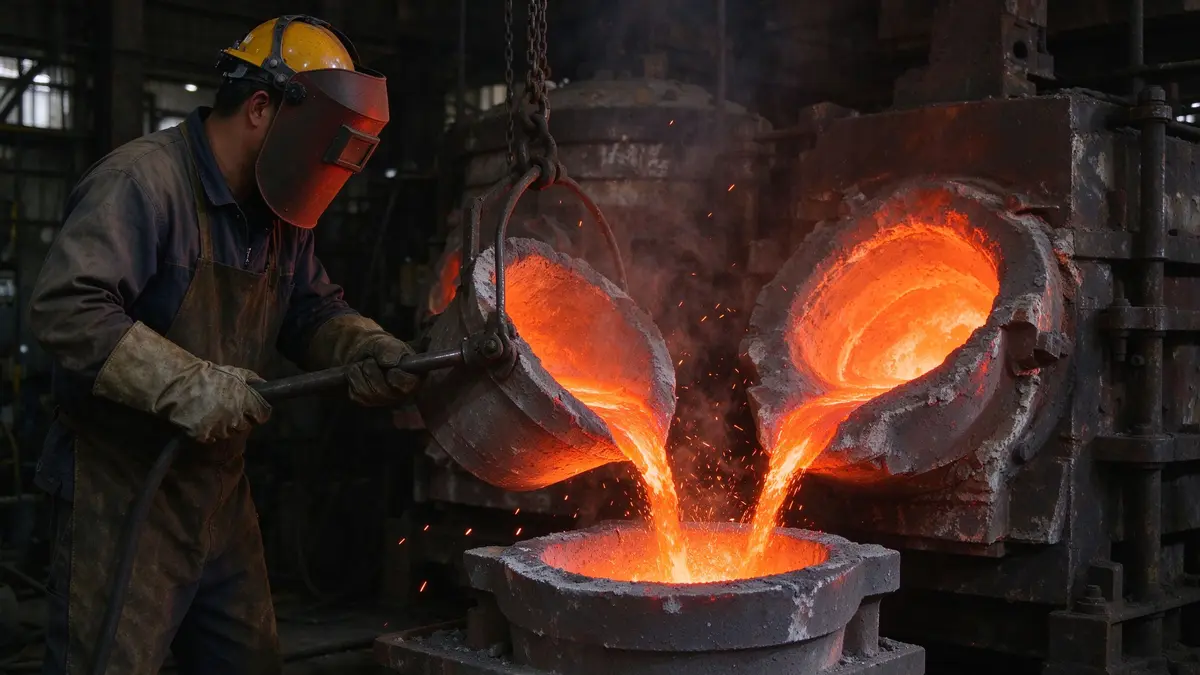
This is the biggest difference. Die casting is limited to non-ferrous metals — primarily aluminum, zinc and magnesium alloys — because molten steel is too hot for steel dies to survive. Lost wax casting handles any alloy that can be melted, including:
- Stainless steels (304, 316, CF8, CF8M)
- Alloy steels (4140, 42CrMo)
- Duplex stainless (2205)
- Nickel alloys (Hastelloy C276, CW2M)
- Copper alloys (bronze, brass)
- Carbon steel
Key takeaway: If your part needs steel, stainless steel or high-temperature alloys, die casting is not an option — lost wax casting is.
2. Tooling and Setup Cost
Die casting requires expensive steel dies that can cost $20,000 - $200,000+, depending on complexity. Lost wax casting tooling (wax injection dies) is typically $3,000 - $30,000 — significantly cheaper, and tooling is often machined from aluminum for low-volume runs.
This makes lost wax casting the clear winner for low and medium volumes, prototyping, and parts that may change design during development.
3. Dimensional Accuracy
Die casting generally holds tighter tolerances because the metal is forced into a rigid steel die at high pressure. However, modern lost wax casting is close behind — typically ±0.5% of dimension, and as tight as ±0.13mm on small features. For most industrial applications, both processes can meet the required accuracy, especially when critical surfaces are CNC machined afterward.
4. Part Size and Weight
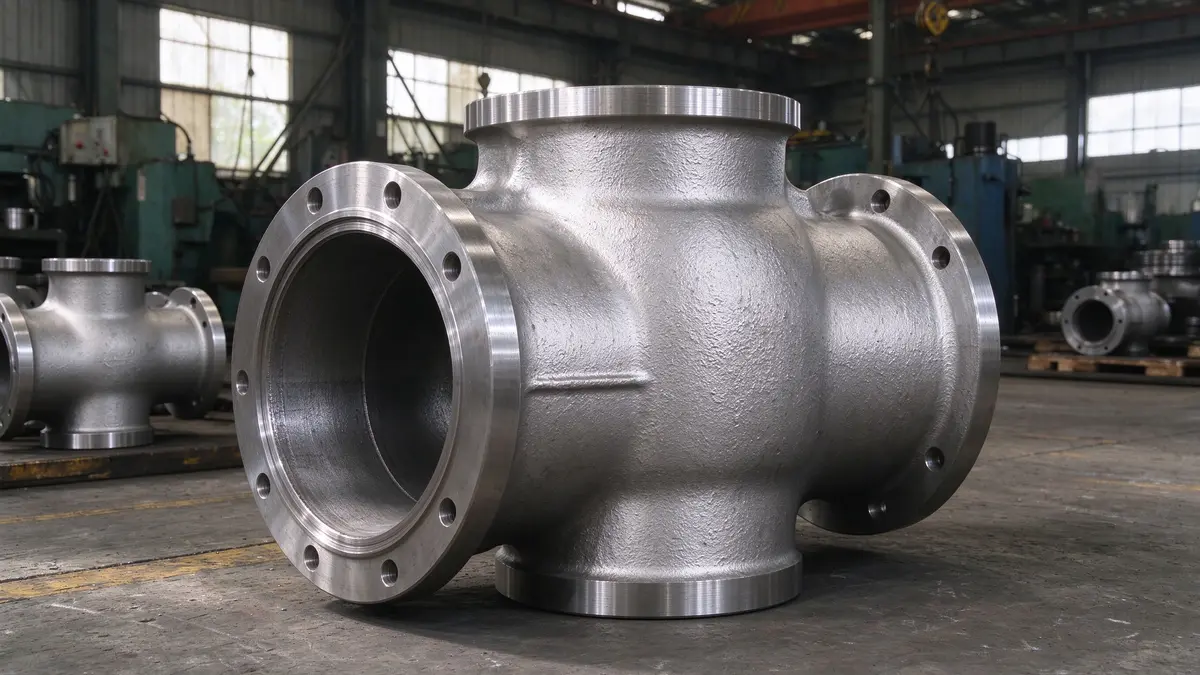
Die casting is limited to relatively small, lightweight parts — typically under 5 kg (some processes up to 20 kg for aluminum). Lost wax casting spans a much wider range, from tiny 10-gram components to parts weighing up to 100 kg, making it suitable for large valve bodies, pump casings and machinery components.
5. Design Complexity
Lost wax casting excels at complex geometries:
- Internal channels and cores
- Thin walls combined with thick sections
- Complex 3D contours without draft
- Near-zero draft angles (2° or less)
Die casting requires draft angles for ejection, and undercuts must be designed around. This limits design freedom compared to lost wax casting.
6. Volume Economics
| Quantity | Recommended Process | Why |
|---|---|---|
| 1 - 500 pcs | Lost Wax Casting | Low tooling cost, flexible |
| 500 - 10,000 pcs | Either / depends on material | Compare unit cost |
| 10,000+ pcs | Die Casting (if non-ferrous) | Amortized tooling, fast cycle |
For steel or stainless steel parts at any volume, lost wax casting is the standard choice — die casting simply cannot produce ferrous parts.
When to Choose Lost Wax Casting
- Part requires steel or corrosion-resistant alloys
- Quantities are low to medium (50 - 10,000 pcs)
- Part has complex geometry or internal features
- You need heat treatment for mechanical properties
- Part is larger than 5 kg
- Tooling budget is limited
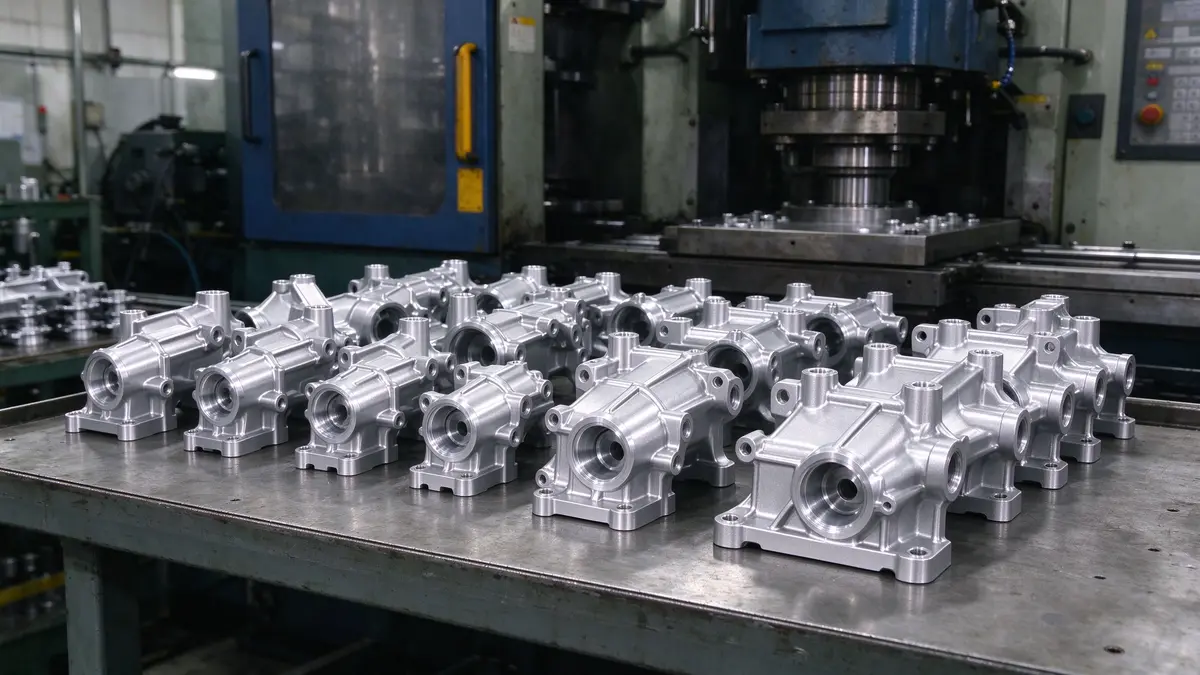
When to Choose Die Casting
- Very high volumes (10,000+ pcs/year)
- Part is aluminum, zinc or magnesium
- Part is small and lightweight (under 5 kg)
- You need the tightest tolerances in as-cast condition
- Ultra-fast cycle times for mass production
Not Sure Which Process Fits Your Part?
Send us your drawing. We'll recommend the most cost-effective process and give you a free quotation within 48 hours.
Get a Free Quote →