
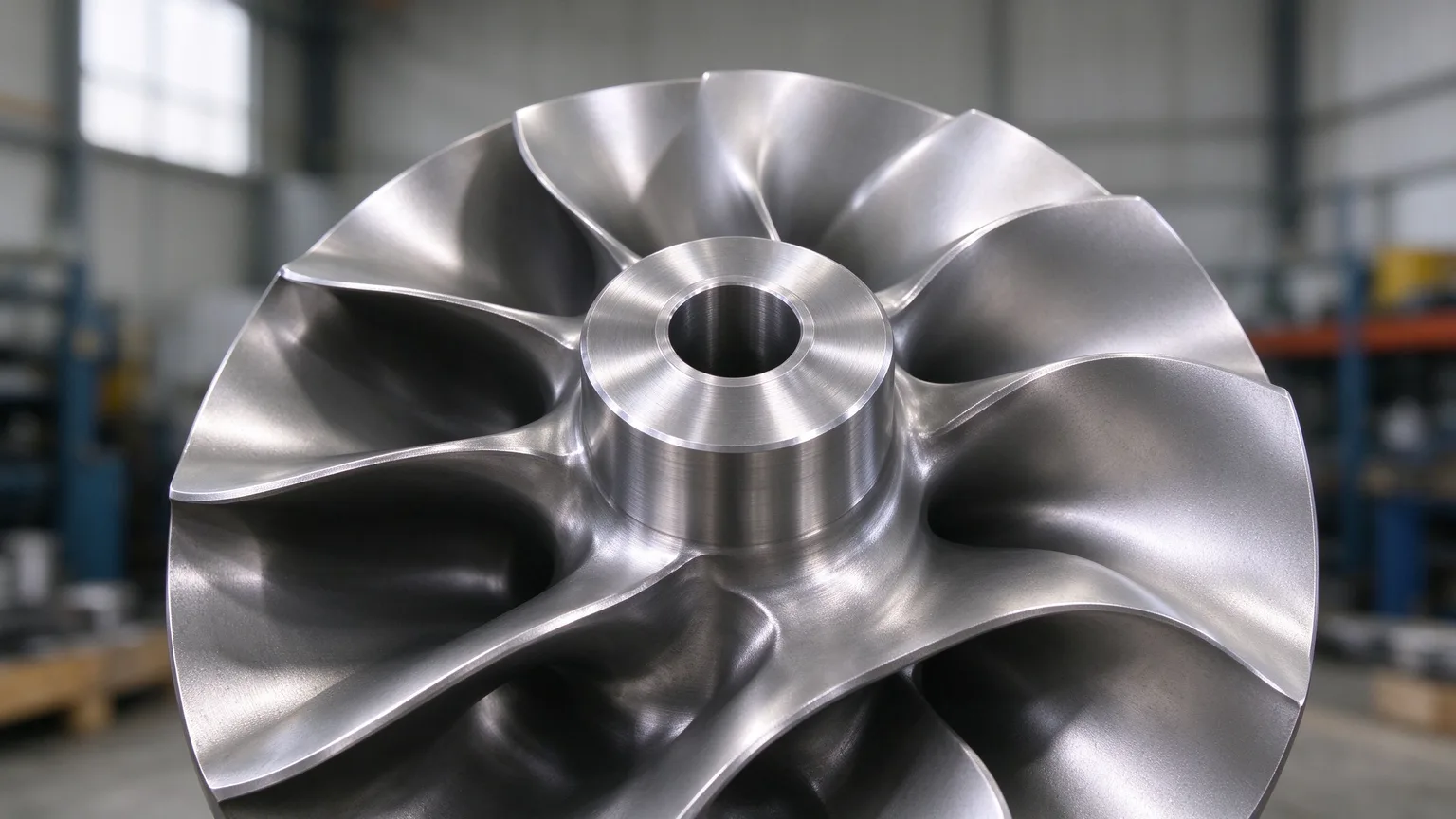
2205 duplex stainless steel (also known as UNS S31803 / S32205) has become one of the most widely specified materials for corrosive service in oil and gas, marine, chemical processing and desalination industries. Its unique combination of high strength, excellent pitting corrosion resistance, and lower cost than super-austenitic grades makes it a preferred choice for pumps, valves, flanges and subsea equipment.
This guide covers common engineering and procurement considerations for 2205 investment castings.
What is 2205 Duplex Stainless Steel?
2205 is a two-phase stainless steel alloy with approximately equal amounts of ferrite and austenite in its microstructure. This "duplex" structure combines the best properties of both phases: the high strength and stress corrosion cracking resistance of ferritic stainless steels, and the toughness and weldability of austenitic grades like 304 and 316.
Key composition:
~22% Chromium, ~5% Nickel, ~3% Molybdenum, ~0.15% Nitrogen. This balance gives 2205 its exceptional performance in chloride-containing environments.
Key Properties of 2205 Castings
Corrosion Resistance
The most significant advantage of 2205 over standard 316L is its far superior pitting and crevice corrosion resistance. With a Pitting Resistance Equivalent Number (PREN) of ~35, 2205 performs dramatically better than 316L (PREN ~24) in seawater, brine, and chloride-containing process environments.
Mechanical Strength
2205 has nearly double the yield strength of standard austenitic stainless steels like 304 and 316. This allows engineers to use thinner wall sections, reducing weight and material cost for pressure-containing components.
| Property | 2205 Duplex | 316L Austenitic |
|---|---|---|
| Yield Strength (MPa) | ≥ 450 | ≥ 170 |
| Tensile Strength (MPa) | ≥ 655 | ≥ 485 |
| Elongation (%) | ≥ 25 | ≥ 40 |
| PREN (Pitting Resistance) | ~35 | ~24 |
Stress Corrosion Cracking (SCC) Resistance
Austenitic stainless steels like 304 and 316 are highly susceptible to chloride-induced stress corrosion cracking at temperatures above 60°C. The duplex microstructure of 2205 provides excellent resistance to this failure mode, making it the standard choice for hot chloride service in oil refineries and chemical plants.
Common Applications of 2205 Castings
2205 may be considered for demanding corrosive-service applications such as:
- Valve bodies, stems and discs for oil and gas, subsea and chemical processing service
- Pump housings, impellers and diffusers for seawater, desalination and slurry service
- Flanges and pipe fittings for high-pressure corrosive fluid piping systems
- Heat exchanger components for chloride-containing process streams
- Marine and offshore equipment including seawater intake components and exhaust system parts
- Food and pharmaceutical processing equipment where high hygiene and corrosion resistance are required
2205 vs 316L: Which Should You Choose?
Choose 2205 duplex when:
- Your application involves seawater, brine, or high chloride environments
- Operating temperatures exceed 60°C in chloride-containing service
- High strength-to-weight ratio is important for pressure-containing parts
- Resistance to stress corrosion cracking is required
Choose 316L when:
- The application is general water or mild corrosive service at room temperature
- Material cost is the primary consideration and corrosion demands are modest
- Extremely high toughness or cryogenic performance is required (2205 has lower toughness below -50°C)
Manufacturing note:
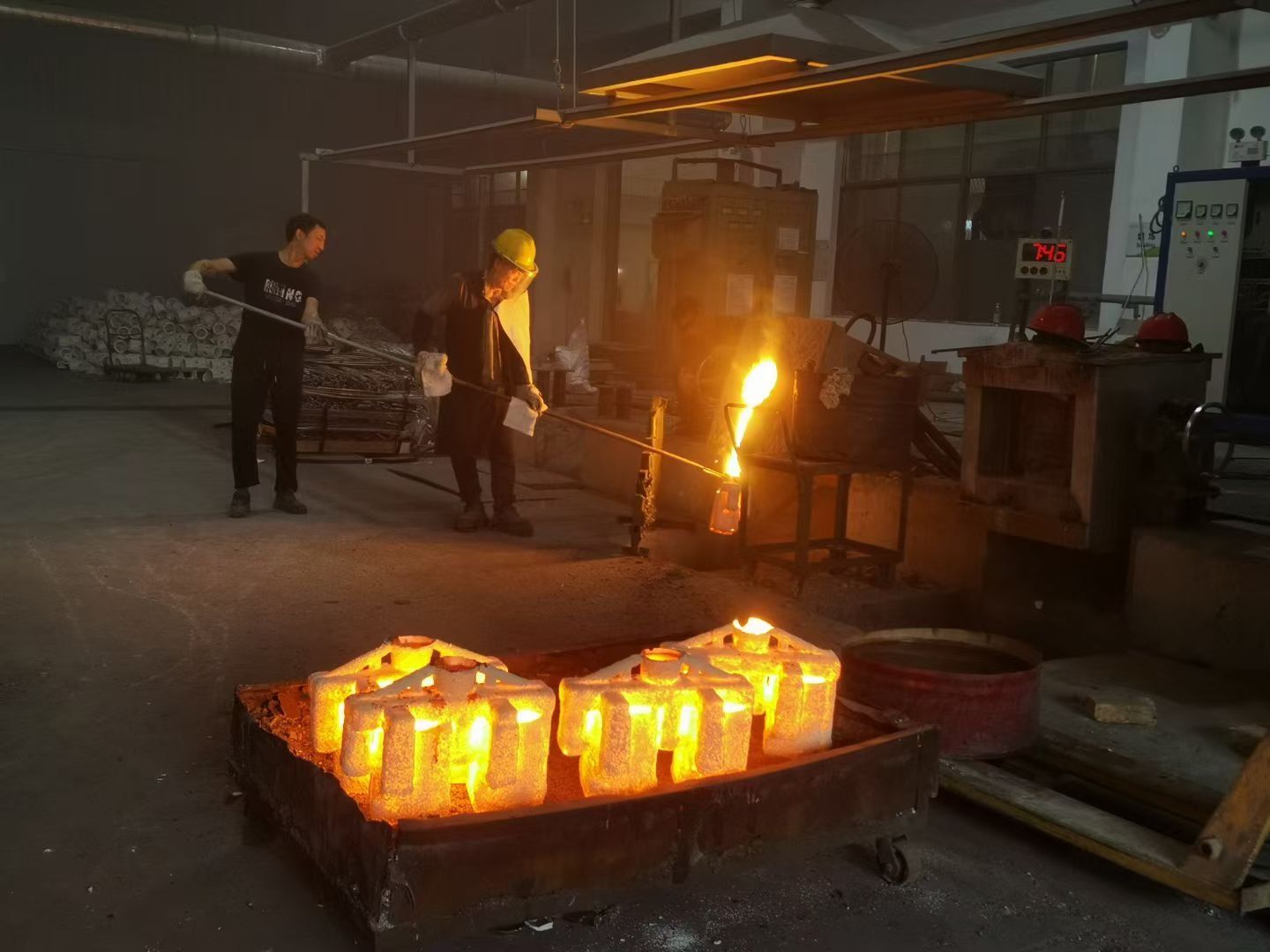
Duplex stainless steels require tighter process control during casting and heat treatment than standard austenitic grades. Proper solution annealing at 1100-1150°C followed by rapid quenching is essential to maintain the correct phase balance and avoid detrimental intermetallic phases like sigma phase.
Investment Casting of 2205 Duplex
2205 can be considered for lost-wax investment castings when the drawing defines the required surface finish, tolerance, heat treatment and documentation. Typical project items to confirm include:
- Surface finish requirement marked on flow-path or mating surfaces
- Dimensional tolerance selected against the relevant casting tolerance class and confirmed by feasibility review
- Machining features listed separately from as-cast surfaces
- Heat-treatment and pickling requirements specified for the alloy and service condition
- Material record type, chemistry basis and mechanical test requirements agreed before production
How to Get Started
If your project requires 2205 duplex stainless steel castings, drawings, service conditions, quantity, machining notes and inspection requirements can be reviewed for feasibility and cost estimate. Actual lead time depends on tooling, material availability, quantity, heat treatment and inspection scope.
Published on October 29, 2026 by Wuxi Huayong Metal Technology Co., Ltd.
Ready to Discuss Your Casting Project?
Send us your drawings or requirements for a quotation. Material, geometry, machining note and quantity help our team prepare a practical response. OEM/ODM welcome.
Get a Free Quote View Our Products