
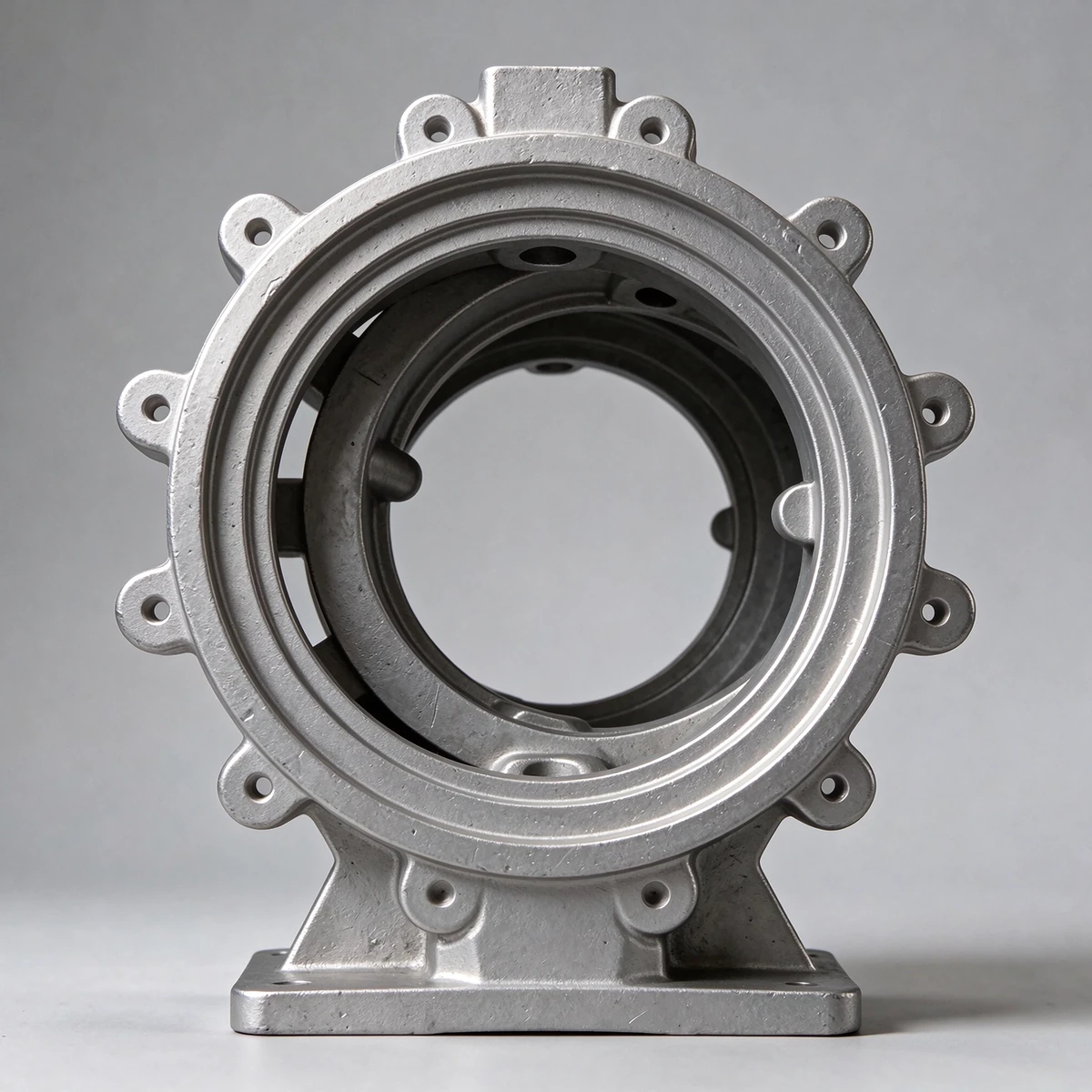
Valves are critical components in fluid control systems. The casting process chosen for valve bodies, bonnets, discs, stems and seat retainers affects dimensional accuracy, pressure integrity, corrosion resistance, schedule and total cost.
This guide breaks down the three most common valve casting processes — investment casting, sand casting, and die casting — and gives you a clear framework to choose the right one for your valve project.
The 3 Most Common Casting Processes for Valves
Not every casting process works for every valve. Each has inherent tradeoffs between surface finish, dimensional tolerance, wall thickness, material compatibility, minimum order quantity and unit cost. Below we compare the three most widely used processes for industrial valve manufacturing.
1. Investment Casting (Lost-Wax Casting)
Investment casting is the premium choice for high-performance valve components. It works by creating a wax pattern identical to the final part, coating it in ceramic shell, melting out the wax, then pouring molten metal into the cavity. This process produces near-net-shape parts with excellent surface finish and tight dimensional tolerances.
It is the industry standard for stainless steel and alloy steel valves, especially for corrosive service where pressure tightness and surface finish matter. Common materials include CF8 (304), CF8M (316), CF3M (316L), WCB carbon steel, duplex stainless steels and nickel-based alloys.
2. Sand Casting
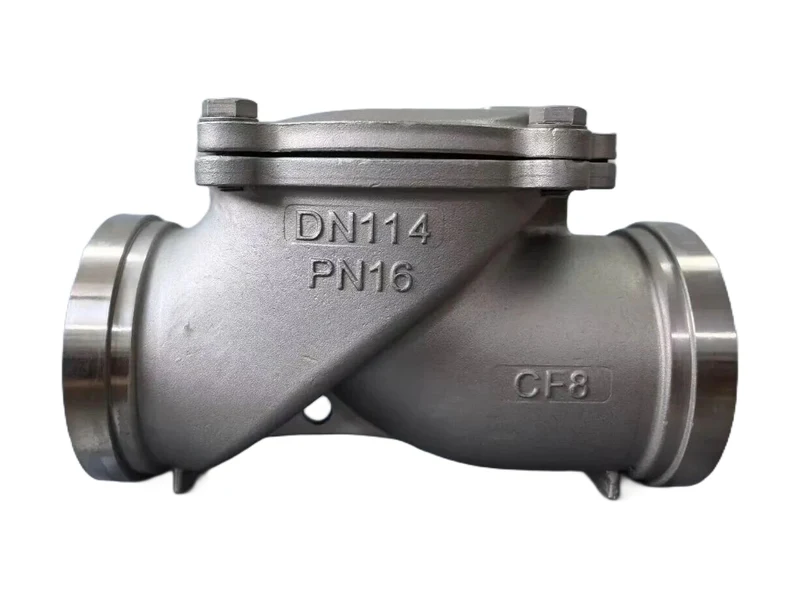
Sand casting uses sand molds to produce valve components. It is the most versatile and cost-effective process for large, simple geometry parts. It works with virtually any castable metal, and can produce very large valve bodies (DN300 and above) that are impractical for investment casting.
However, sand casting produces rougher surfaces and looser tolerances, requiring more CNC machining to achieve sealing surfaces and bolt hole dimensions. It is commonly used for low-pressure, large-bore gate valves, globe valves and flange components where high surface finish is not critical.
3. Die Casting
Die casting forces molten metal under high pressure into steel dies. It is extremely fast and produces excellent surface finish and repeatability, but it is limited to low-melting-point non-ferrous alloys like aluminum, zinc and brass. It is not suitable for stainless steel, carbon steel or high-temperature alloys, and is mainly used for small brass valves, low-pressure water valve bodies and consumer plumbing components.
Side-by-Side Comparison
| Factor | Investment Casting | Sand Casting | Die Casting |
|---|---|---|---|
| Typical Tolerance | ±0.2mm casting, ±0.01mm machined | ±1.0–2.0mm | ±0.1–0.3mm |
| Surface Finish | Ra 3.2–6.3 μm (as cast) | Ra 12.5–25 μm | Ra 1.6–3.2 μm |
| Wall Thickness | 2–20mm | 5–100mm+ | 1–5mm |
| Compatible Materials | Stainless, alloy, carbon steel, duplex, nickel alloys | Virtually all castable metals | Aluminum, zinc, brass only |
| Typical Part Size | 0.1kg – 80kg | 1kg – several tons | 0.01kg – 10kg |
| MOQ | 50–200 pcs (prototypes available) | 10–50 pcs | 10,000+ pcs (high die cost) |
| Best For | Corrosive service, high pressure, tight tolerance | Large, simple, low-pressure valves | Mass market small brass/aluminum valves |
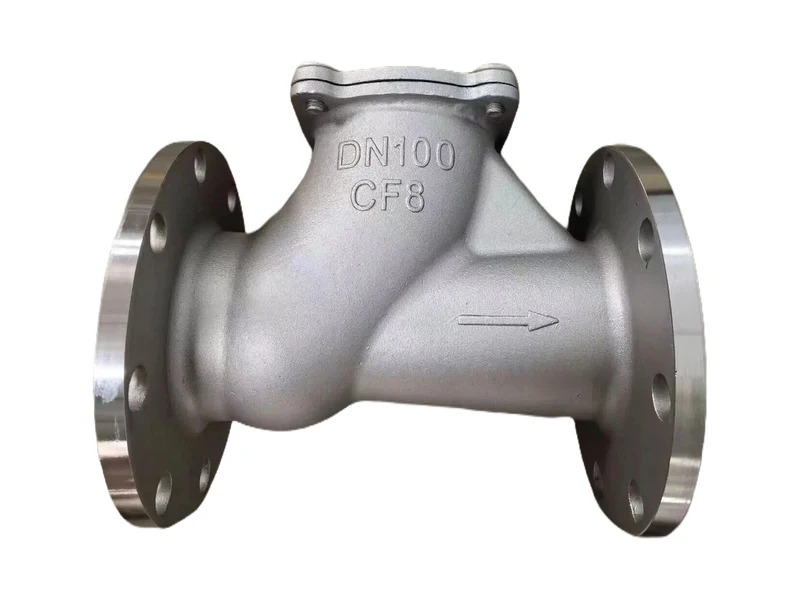
How to Choose the Right Process for Your Valve
Use this decision framework based on your project requirements:
Choose Investment Casting If:
- You are working with stainless steel (CF8/CF8M/CF3M), duplex steel, WCB or alloy steel
- The valve will see corrosive fluids, high pressure, or sanitary/food service
- You need tight tolerances on sealing faces, bolt holes or flange dimensions
- Your order volume is between 200 and 10,000 pieces per year
- You need smooth as-cast surfaces that require minimal post-processing
Choose Sand Casting If:
- Your valve is large bore (DN300+) and too big for investment casting
- Geometry is simple and wall thicknesses are heavy
- Pressure rating is low and surface finish requirements are not critical
- You are producing small batches of large valve bodies or bonnets
Choose Die Casting If:
- Your valve is small and made of brass, aluminum or zinc
- You need mass production (10,000+ pieces) and can amortize the high die tooling cost
- The valve is for low-pressure water, irrigation or consumer plumbing service
Engineering Tip:
Many valve projects use a hybrid approach: investment cast the wetted, high-precision components (body, disc, seat), and sand cast the large, simple external flanges or heavy structural parts. Talk to your foundry about optimizing your design to balance cost and performance.
Common Valve Materials by Process
The material you specify heavily dictates which casting process is feasible:
- Stainless steel (CF8/CF8M/CF3M): Almost exclusively investment cast for industrial valves — sand casting produces too porous and rough for pressure service
- Carbon steel (WCB/WCC): Both investment and sand casting are common, depending on part size and volume
- Duplex stainless (2205/CD4MCu): Investment casting only, due to high pouring temperature and tight microstructure requirements
- Brass/bronze: Die casting for small components, sand casting for larger gate/globe valves
- Nickel-based alloys (Hastelloy/Monel): Investment casting only, for highly corrosive chemical service
Common Mistakes to Avoid
Common costly mistakes in valve casting selection include:
- Specifying sand casting for stainless steel pressure parts: Sand-cast stainless valves are prone to porosity and leakage in high-pressure service. Use investment casting for wetted paths.
- Attempting die casting for stainless steel: Stainless steel melts at 1500°C, far above what die casting dies can handle. This is physically impossible.
- Over-specifying tolerance: Investment casting already achieves tight tolerances. Over-machining adds cost without functional benefit. Work with your foundry to optimize critical dimensions.
- Ignoring foundry design guidelines: Sharp corners, thick-to-thin section transitions, and undercuts all increase scrap rate and cost. Design for castability from the start.
Ready to Discuss Your Casting Project?
Send us your drawings or requirements for a quotation. Material, geometry, machining note and quantity help our team prepare a practical response. OEM/ODM welcome.
Get a Free Quote View Our Products