
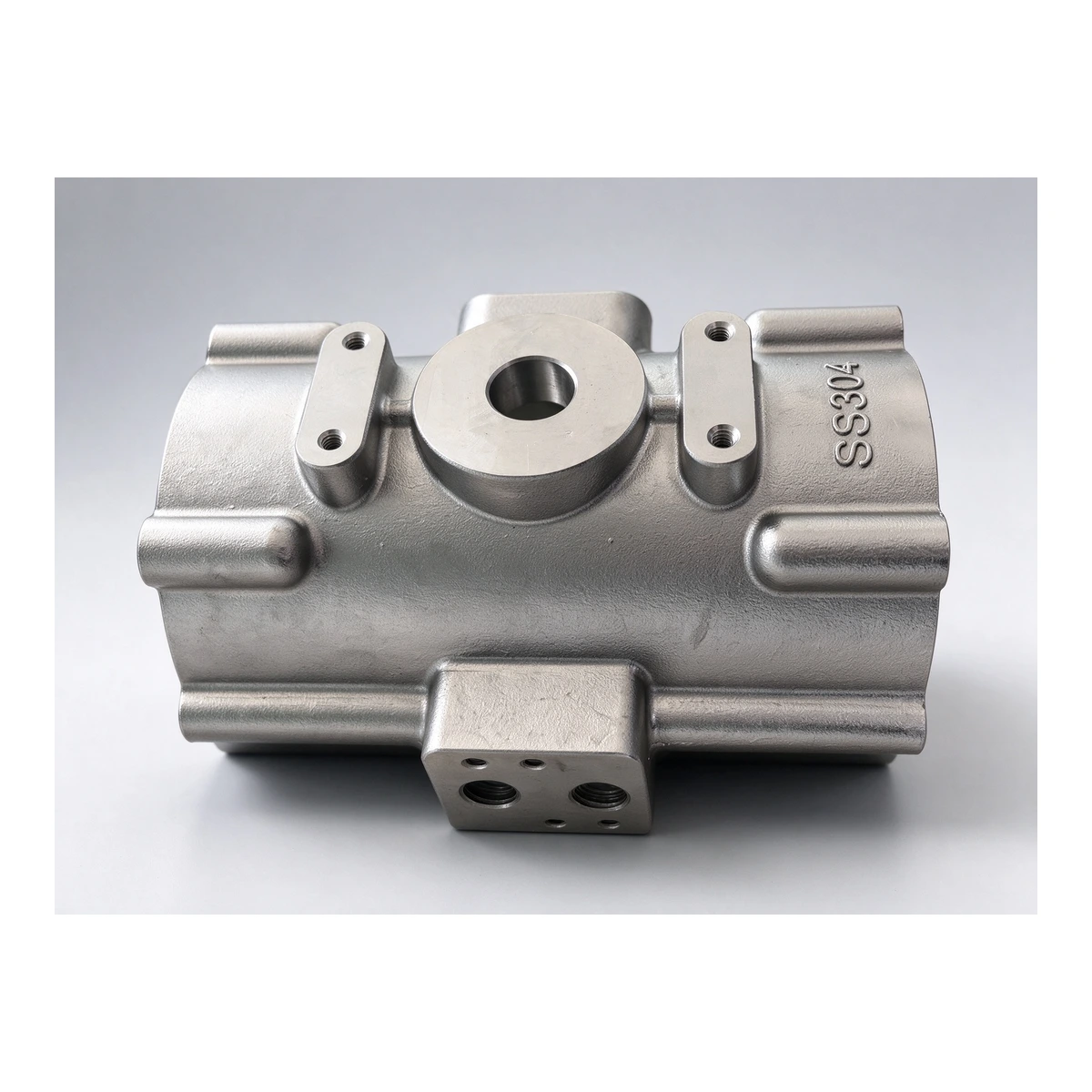
CF3M and CF8M are the two most common cast austenitic stainless steel grades specified for valves, pumps, flanges and fluid handling equipment. While they look nearly identical on a drawing, their small difference in carbon content creates meaningful differences in corrosion resistance, weldability and performance in corrosive service.
The following comparison breaks down the key differences between these two grades to help you choose the right material for your project.
What Are CF3M and CF8M?
Both grades are defined by ASTM A351, the standard specification for cast austenitic stainless steels for pressure-containing parts. They are the cast equivalents of wrought 316L and 316 stainless steel respectively, with molybdenum additions for improved pitting corrosion resistance compared to 304/304L grades.
Key takeaway:
Both grades contain ~2-3% molybdenum, giving them far better chloride and pitting corrosion resistance than standard 304 castings. The only real difference is carbon content.
The Key Difference: Carbon Content
The only significant difference between the two grades is maximum carbon content, which directly impacts weldability and intergranular corrosion resistance:
CF8M (316 equivalent):
Maximum carbon content of 0.08%. This is the standard 316 cast grade, widely used for general industrial fluid service, oil and gas applications, and water handling components where post-weld heat treatment is available.
CF3M (316L equivalent):
Maximum carbon content of 0.03%. This low-carbon grade is designed for welded components where post-weld heat treatment is not practical, offering significantly better resistance to intergranular corrosion after welding.
Corrosion Resistance Performance
Lower carbon content in CF3M means it has significantly better resistance to intergranular corrosion after welding. When 316/CF8M is welded, carbon can precipitate at grain boundaries, creating a path for corrosive media to attack the weld zone. CF3M's low carbon content eliminates this risk, even without post-weld annealing.
- CF3M is preferred for seawater service, chloride-containing environments, chemical process equipment, and components that will be welded after casting
- CF8M is suitable for general water service, oil and gas applications, and components where post-weld heat treatment is part of the standard process
Mechanical Properties
Both grades have nearly identical room-temperature mechanical properties: minimum yield strength of 207 MPa, minimum tensile strength of 485 MPa. The lower carbon content in CF3M slightly reduces hardness and machinability, but the difference is negligible for most casting applications.
Which Grade Should You Choose?
Choosing between the two comes down to your operating environment and post-processing requirements:
- Choose CF3M for seawater service, chloride-containing environments, welded castings without post-weld annealing, chemical process applications, and cryogenic or high-corrosion applications
- Choose CF8M for general water service, non-critical industrial applications, components where post-weld heat treatment is standard, and projects where material cost is the primary concern
Common Applications
Both grades are commonly specified for fluid handling components such as:
- Valve bodies, discs and stems for oil and gas, chemical and water service
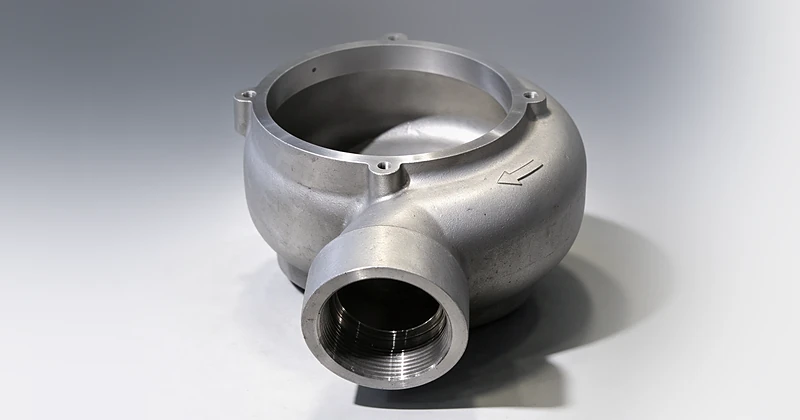
- Pump housings, impellers and wear rings for centrifugal and positive displacement pumps
- Flanges and pipe fittings for corrosive fluid piping systems
- Custom fluid equipment components for OEM pump and valve manufacturers
How to Get Started
CF3M and CF8M should be selected according to operating conditions, welding process, inspection requirements and cost target. Documentation requirements, such as material records, should be confirmed with the supplier before production.
Project points to confirm:
- Material selection guidance based on your operating conditions
- Machining scope quoted when critical features are listed on the drawing
- Material documentation requested and confirmed according to order requirements
- Project scope reviewed after drawings, quantity and inspection requirements are received
Published on October 28, 2026 by Wuxi Huayong Metal Technology Co., Ltd.
Ready to Discuss Your Casting Project?
Send us your drawings or requirements for a quotation. Material, geometry, machining note and quantity help our team prepare a practical response. OEM/ODM welcome.
Get a Free Quote View Our Products