
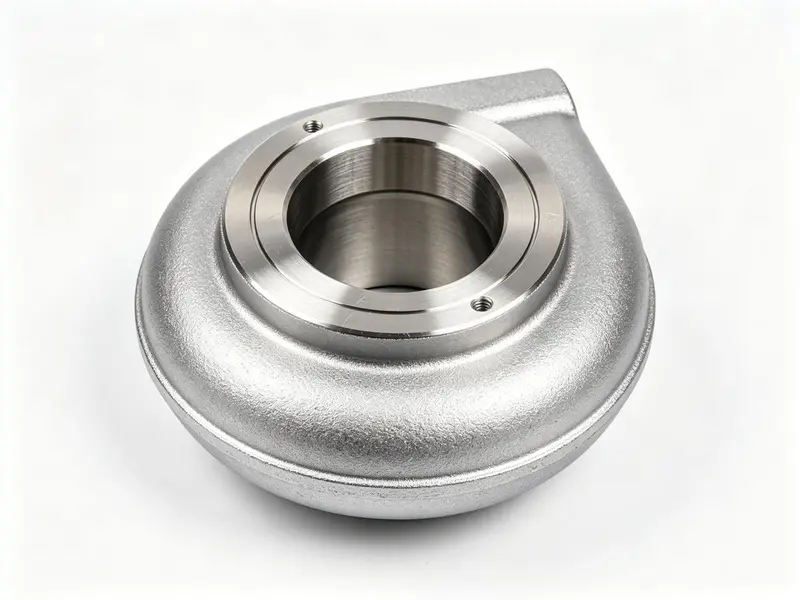
Custom Structural Casting Investment Casting
Fully custom structural castings based on your drawings, samples or 3D models.
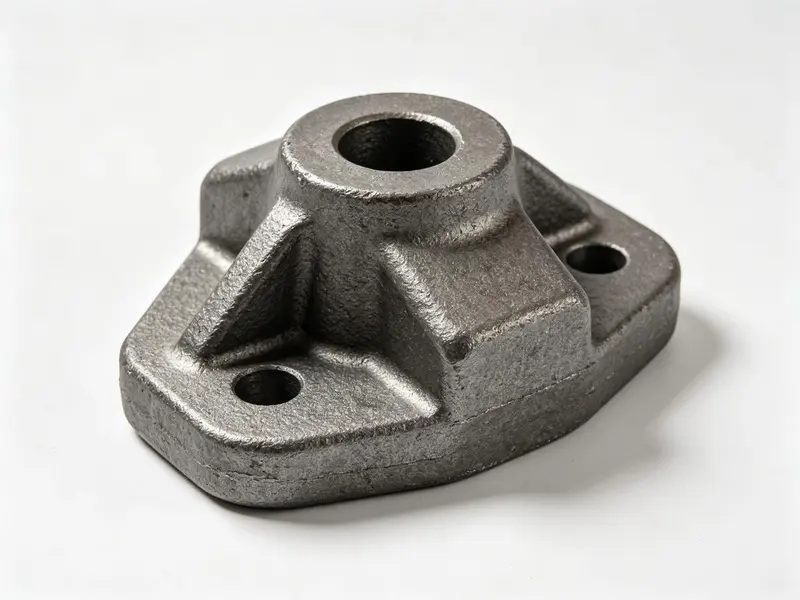
Custom Structural Casting
Fully custom structural castings based on your drawings, samples or 3D models. Carbon steel, alloy steel, stainless steel and Alloy Steel with machining support coordinated to approved drawings.
Product Specifications
| Material Grades | Alloy Steel, SS304, OEM/ODM |
|---|---|
| Product Category | Custom Castings |
| Casting Process | Investment Casting (Lost-Wax) |
| Machining Support | Machining support: Drilling, Tapping, Milling, Turning; operations arranged to approved drawings |
| Surface Finish | As-cast, sandblasted or polished finish as required; other finishing options discussed by drawing |
| Tolerance | ±0.2mm casting allowance; machining tolerance confirmed per drawing |
| Certification | ISO 9001; material records can be arranged by agreement |
| Order Quantity | Reviewed after drawing and quantity confirmation |
| Lead Time | Confirmed after drawing review and scheduling; sample timing evaluated separately |
| Customization | All castings custom made based on customer drawings |
Need a Custom Custom Structural Casting?
Send us your drawings or specifications for a free quotation after drawing or requirement review.
Get a Free Quote WhatsApp UsProduct Overview
Custom Structural Casting is a precision investment casting component manufactured by Wuxi Huayong Metal Technology Co., Ltd. Investment casting can produce near-net-shape components; finish and mechanical condition are reviewed against approved requirements. Machining allowance, finish and schedule are reviewed against approved drawings and order requirements.
All our custom structural casting castings are custom manufactured based on customer drawings or samples. We work closely with our clients' engineering teams to optimize designs for castability, reviewing designs for practical manufacturability and fit for purpose. Quality review may include chemistry records, dimensional checks and selected test methods arranged by drawing, code or order requirement.
Material Options
We offer a wide range of materials for custom structural casting castings, including stainless steel, carbon steel, alloy steel, copper alloys, and heat-resistant alloys. All materials are sourced from certified suppliers and verified with spectrometer analysis.
| Material Family | Common Grades | Key Properties | Typical Applications |
|---|---|---|---|
| Stainless Steel | CF8M, CF8, CF3M, CF3, 316L, 304L | Good corrosion resistance, good mechanical properties | Chemical, food, marine, water treatment |
| Carbon Steel | WCB, WCC, LCC, LC2 | Good strength, weldability, cost-effective | Oil & gas, power, general industrial |
| Alloy Steel | WC6, WC9, C5, C12A, 42CrMo | High temperature strength, wear resistance | Power generation, high-temp service, automotive |
| Duplex Steel | CD4MCu, CD3MN, 2205 | High strength, good pitting resistance | Oil & gas, desalination, chemical |
| Copper Alloy | C95400, C93200, C83600, Tin Bronze | Good wear resistance, corrosion resistance | Bearings, gears, marine, decorative |
| Heat Resistant | HK30, HU31, 310S, 309S | High temperature oxidation resistance | Furnace parts, heat treatment, power |
Manufacturing Process
1. Pattern Making
We produce high-precision wax patterns using injection molding. The wax patterns are exact replicas of the final custom structural casting, including all internal passages and external features.
2. Shell Building
The pattern tree is repeatedly dipped into ceramic slurry and coated with refractory sand. This process is repeated 6-8 times to build a strong, heat-resistant ceramic shell.
3. Dewaxing & Preheating
The ceramic shell is placed in an autoclave where steam melts the wax, which drains out. The empty shell is then preheated to 1000-1100°C to remove residual moisture.
4. Melting & Pouring
Metal is melted in induction furnaces under carefully controlled conditions. The molten metal is poured into the preheated ceramic shells.
5. Shell Removal & Cutting
After solidification and cooling, the ceramic shell is removed by mechanical vibration and blasting. The individual components are then cut from the sprue.
6. Heat Treatment
All castings undergo proper heat treatment to achieve optimal mechanical properties and material structure.
7. Machining Support
Machining support can be arranged according to approved drawings. Critical dimensions are checked against approved drawings.
8. Surface Treatment & Testing
Finished components may include surface finishing and arranged inspection such as dimensional review and chemistry records.
Quality Control & Testing
Quality review follows the agreed order process; final condition is checked against approved drawings and specifications:
- Chemical Analysis: Spectrometer analysis of every heat; material test records can be arranged by order requirement or agreement.
- Mechanical Testing: Mechanical or hardness checks can be arranged when specified on the order
- Dimensional Inspection: Critical dimensions checked against approved drawings
- Inspection Support: Selected penetrant, radiographic or ultrasonic methods can be arranged according to drawing, code or customer requirement
- Microstructure Examination: Metallographic review can be arranged when specified on the order
- Pressure Testing: Hydrostatic or pneumatic pressure tests can be arranged for pressure-containing components when specified
Applications
Our custom structural casting castings are used in a wide range of industries and applications:
- Oil & Gas: Upstream, midstream, and downstream processing, refineries, pipelines
- Chemical Processing: Acid handling, chemical reactors, transfer lines
- Power Generation: Thermal power, nuclear power, renewable energy
- Water Treatment: Desalination, wastewater treatment, water distribution
- Food & Beverage: Processing, filling, CIP systems, sanitary applications
- Pharmaceutical: Drug manufacturing, sterile processing, biotech
- Marine: Shipbuilding, offshore platforms, desalination
- Automotive: Engine components, transmission parts, exhaust systems
- Aerospace: Aircraft components, turbine parts, structural components
- Pulp & Paper: Bleaching, chemical recovery, stock preparation
Why Choose Huayong for Your Custom Structural Casting Castings?
- Process Coverage: Investment casting support with machining, inspection and finishing coordination
- Material Expertise: Experienced in stainless steel, carbon steel, alloy steel, copper alloys, and specialty alloys
- ISO 9001 Quality System: Documentation and inspection records managed according to order requirements
- Custom Manufacturing: All parts made to your exact drawings and specifications
- Competitive Pricing: Factory-direct pricing with no middleman markup
- Fast Response: Quotation and technical support are arranged after requirement review.
- Application Support: Components reviewed for industrial, fluid, machinery and process-equipment applications.
- Order Review: Prototype and production quantities reviewed after drawing review
Ready to Start Your Project?
Send us your 2D/3D drawings, samples, or part requirements for a free custom quotation after drawing or requirement review.
Request a Quote View All ProductsEngineering Design Tips for Precision Castings
1. Wall Thickness Design
Maintain uniform wall thickness throughout the casting to minimize shrinkage porosity and thermal stress during solidification. Avoid abrupt section changes; use gradual transitions with fillet radii of at least 2-3mm. Minimum wall thickness for investment casting is typically 2mm for small parts and 3mm for larger components.
2. Draft Angles
Design with minimum 1° draft angle for external surfaces and 1.5° for internal surfaces to facilitate wax pattern removal from the die and ceramic shell breakdown. Deeper features may require additional draft.
3. Fillet Radii
Always use generous fillet radii at internal corners (minimum R2-3mm) to reduce stress concentration and improve castability. Sharp corners are prone to cracking and porosity during solidification.
4. Machining Allowance
Allow 2-3mm machining allowance per surface for machining operations. Critical sealing surfaces and precision bores may require additional allowance. Machining tolerance requirements should be reviewed against approved drawings; as-cast allowance is confirmed by drawing and casting complexity.
5. Surface Finish Considerations
Investment casting provides Ra 1.6-3.2μm as-cast surface finish. For applications requiring smoother surfaces, specify polishing, electropolishing, or machining in the drawing requirements.
Frequently Asked Questions
Q: What materials can you cast?
A: We work with stainless steel (304, 316, CF8, CF8M), carbon steel (WCB), alloy steel, duplex steel (2205), heat-resistant alloys, copper alloys, and specialty alloys. Custom compositions available per specification.
Q: What is the typical lead time?
A: Lead time is confirmed after drawing review and scheduling; sample and production timing are evaluated separately.
Q: Can you provide material test certificates?
A: Every heat can be reviewed with spectrometer analysis. Material records, certificates and inspection items are arranged according to the drawing, code or order requirement; third-party inspection can be requested where applicable.
Q: What is the minimum order quantity?
A: Order quantity, tooling cost and pricing are reviewed after drawing and quantity confirmation.
Q: Do you offer machining support services?
A: Yes, post-machining support can include turning, milling, drilling, tapping and grinding; finished component readiness is confirmed per drawing and order requirements.
Related Products
Request a Quote for Custom Structural Casting Investment Casting
Send us your requirements — we review the inquiry and prepare a quotation after drawing or requirement review.